When you handle biological samples, even a small disruption in airflow can increase the risk of contamination and exposure. A biosafety cabinet creates a controlled airflow pattern that helps protect your samples, your working environment, and you, depending on the cabinet’s design and certification. Understanding how airflow works allows you to handle materials more safely, maintain sample integrity, and reduce avoidable laboratory errors.
Whether you process microbial cultures, prepare diagnostic specimens, or perform routine laboratory procedures, you need to understand why airflow matters and how your daily practices can support reliable cabinet performance.
How Biosafety Cabinet Airflow Protects Your Samples
Airflow is one of the most important features of a biological safety cabinet. Depending on its class and design, a cabinet uses controlled air movement and high-efficiency particulate air (HEPA) filtration to manage airborne particles during laboratory work.
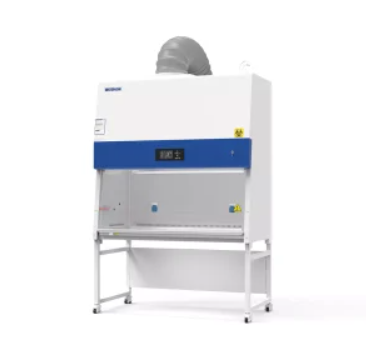
In a typical Class II biosafety cabinet, filtered downward airflow helps protect samples from contamination, while inward airflow at the front opening helps contain airborne hazards. HEPA-filtered exhaust provides additional protection according to the cabinet’s design.
These protective functions depend on maintaining the intended airflow pattern. If you block the front grille, overload the work surface, or move your arms rapidly, you can disturb the air currents that support containment and cleanliness.
To maintain reliable conditions, you should:
- Keep front and rear air grilles clear.
- Arrange equipment without obstructing airflow.
- Avoid unnecessary movements near the cabinet opening.
- Allow the cabinet to stabilize according to the manufacturer’s instructions before beginning work.
- Follow your laboratory’s approved procedures for cleaning and sample handling.
Choosing suitable biosafety cabinets for laboratory sample protection and contamination control also helps you match cabinet capabilities to your intended applications.
Why Airflow Disruptions Increase Contamination Risks
Your samples may be vulnerable to airborne particles, microorganisms, and cross-contamination during handling. A properly functioning cabinet helps reduce these risks, but poor working practices can compromise its protective airflow.
For example, placing large instruments near the front opening can interfere with the inward airflow that supports containment. Rapid arm movements can create turbulence, while overcrowding the work area can disrupt the intended circulation pattern.
These problems may allow contaminants to enter sensitive work areas or reduce the cabinet’s ability to contain hazardous aerosols.
To reduce these risks, organize your workspace before starting. Place only the equipment and materials needed for the procedure inside the cabinet. Keep frequently used items accessible without blocking grilles, and avoid moving materials unnecessarily across clean and potentially contaminated areas.
You should also follow a consistent workflow that minimizes crossing movements and keeps clean materials separate from used equipment and waste.
Remember that a biosafety cabinet is not a substitute for good microbiological practices, appropriate personal protective equipment, or other required containment measures.
How Correct Airflow Supports Sample Integrity
Sample integrity matters when you need dependable experimental results, diagnostic accuracy, or reproducible laboratory procedures. Airflow helps maintain the working conditions required to limit contamination, especially when you handle sterile media, cell cultures, or other sensitive biological materials.
If airflow becomes unstable, airborne particles may enter the work area or move between items. This can compromise samples, create inconsistent results, and lead to repeated procedures or wasted materials.
You can support sample integrity by adopting a few practical habits:
Prepare before starting: Gather the supplies you need to minimize interruptions.
Use deliberate movements: Work smoothly and avoid unnecessary reaching.
Maintain separation: Keep clean materials apart from used items and waste.
Follow cleaning procedures: Disinfect appropriate surfaces before and after work using your laboratory’s approved products and contact times.
Monitor cabinet performance: Follow required airflow checks, alarms, certification schedules, and maintenance instructions.
Avoid assuming that a running blower automatically guarantees protection. A cabinet may require inspection or recertification if it has been moved, repaired, or exposed to conditions that could affect performance.
Best Practices for Maintaining Stable Cabinet Airflow
Consistent airflow depends on both equipment condition and operator behavior. Even a well-maintained cabinet can perform poorly when you use it incorrectly.
Start by checking the cabinet’s status indicators and confirming that any required operating conditions have been met. If an airflow alarm appears, stop work as directed by your laboratory’s safety procedures and assess the situation before continuing.
Keep the cabinet away from avoidable sources of air disturbance, such as frequently opened doors, strong supply-air currents, or high-traffic areas, where practical. These external influences can interfere with airflow at the cabinet opening.
Do not place paper, absorbent pads, containers, or equipment over intake and exhaust grilles. Use only accessories approved for your cabinet and application.
You should also ensure that the cabinet receives the inspection, testing, and certification required by applicable standards and institutional policies. A qualified professional can verify airflow performance and identify problems that routine visual checks cannot detect.
If your work involves infectious materials, consult your biosafety officer or laboratory safety lead to confirm that the cabinet class and operating procedures are appropriate for the risks involved.
Choosing and Using the Right Biosafety Cabinet
Not every biological safety cabinet provides the same level or type of protection. Your selection should reflect the biological hazards, procedures, equipment, and protection requirements associated with your work.
Consider the following factors before selecting a cabinet:
Cabinet class and type: Confirm the protection provided to personnel, products, and the environment.
Workload and dimensions: Ensure the interior accommodates your equipment without obstructing airflow.
Application requirements: Check compatibility with your procedures and any hazardous chemicals or volatile substances involved.
Certification and service: Confirm that qualified testing, maintenance, and replacement filters are available.
Operating guidance: Review manufacturer instructions and your institution’s biosafety requirements.
Avoid treating a clean bench or laminar flow workstation as interchangeable with a biosafety cabinet. Some clean benches protect the product but do not provide personnel protection from biological hazards.
For additional equipment information, visit Global Lab Supply for laboratory biosafety and containment equipment. If you need help identifying an appropriate configuration, contact the laboratory equipment team for biosafety cabinet selection assistance.
Frequently Asked Questions
1. Why is airflow important in a biosafety cabinet?
Airflow supports the cabinet’s intended containment and contamination-control functions. In suitable cabinet designs, it helps protect personnel, samples, and the surrounding environment when the equipment is properly installed, certified, and operated.
2. What can disrupt biosafety cabinet airflow?
Blocked grilles, excessive equipment, rapid arm movements, nearby air currents, and poor cabinet placement can disturb airflow. Follow the manufacturer’s instructions and keep the work area organized.
3. Does HEPA filtration guarantee complete sample protection?
No. HEPA filtration removes particles from air passing through the filter, but protection also depends on cabinet design, airflow integrity, correct operation, maintenance, and appropriate laboratory practices.
4. How can you tell if a biosafety cabinet has an airflow problem?
Warning alarms, unusual operating conditions, or failed certification tests may indicate a problem. Do not rely on appearance alone. Follow your laboratory’s response procedures and arrange qualified assessment when needed.
5. How often should you certify a biosafety cabinet?
Certification frequency depends on applicable standards, regulations, institutional policies, and the cabinet’s circumstances. In many laboratory settings, annual certification is common, with additional testing after relocation, repairs, or other relevant changes.
Conclusion
Biosafety cabinet airflow is essential for controlling contamination and maintaining appropriate protection during sample handling. By keeping grilles unobstructed, minimizing disruptive movements, organizing materials, and following maintenance and certification requirements, you can support safer and more consistent laboratory work.
Choose equipment that matches your procedures, verify its performance, and make correct airflow practices part of your everyday laboratory routine.