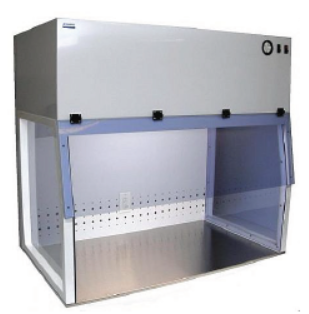
When you work in a controlled environment, even the smallest airborne particle can compromise your results. That’s why you rely on precise equipment to maintain sterility and consistency. One of the most critical tools in your setup is a clean bench hood. It plays a direct role in protecting your samples, improving workflow efficiency, and ensuring compliance with cleanroom standards.
Understanding the Role of a Clean Bench Hood
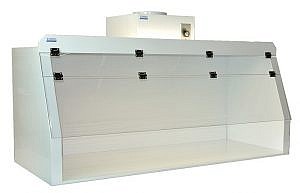
A clean bench hood, also known as a laminar flow clean bench, is designed to provide a particle-free working area. It uses high-efficiency particulate air (HEPA) filtration to create a steady stream of clean air across your workspace. This airflow pushes contaminants away from your materials, reducing the risk of contamination.
Unlike fume hoods, which protect you from hazardous fumes, a clean bench hood focuses on product protection. If your work involves sensitive materials like pharmaceuticals, electronics, or biological samples, this distinction is essential.
Why You Need a Clean Bench Hood in a Cleanroom
Maintains Product Integrity
You depend on cleanroom environments to ensure product quality. A clean bench hood adds an extra layer of protection by delivering ISO-classified air directly over your work surface. This localized cleanliness is crucial when handling delicate processes such as sample preparation or assembly.
Reduces Contamination Risks
Even in a controlled cleanroom, contaminants can enter through movement, equipment, or human activity. A clean bench hood minimizes these risks by maintaining a continuous flow of filtered air. This airflow sweeps away particles before they can settle on your materials.
Improves Workflow Efficiency
When your workspace is consistently clean, you spend less time redoing tasks or addressing contamination issues. A clean bench hood helps you maintain a stable environment, allowing you to focus on precision and productivity.
Supports Compliance Standards
Industries such as pharmaceuticals, biotechnology, and electronics manufacturing must follow strict regulatory guidelines. Using a clean bench hood helps you meet these standards by maintaining controlled conditions and reducing variability in your processes.
Key Features to Look For
When selecting a clean bench hood, you should focus on features that align with your operational needs:
HEPA or ULPA Filtration: Ensures high-efficiency particle removal.
Laminar Airflow Design: Provides uniform airflow to prevent turbulence.
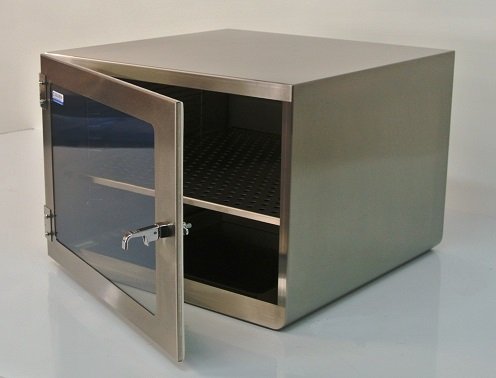
Durable Construction: Stainless steel surfaces resist corrosion and are easy to clean.
Energy Efficiency: Reduces operational costs over time.
Noise Control: Maintains a comfortable working environment.
Choosing the right model ensures that your cleanroom operations remain consistent and reliable.
Choosing the Right Solution for Your Needs
Not all clean bench hoods are the same. You need to evaluate your application, workspace size, and cleanliness requirements before making a decision. For example, vertical laminar flow hoods are ideal for general applications, while horizontal flow hoods may be better suited for specific processes.
If you’re looking for a reliable solution, explore high-performance contamination control: Clean Bench Hood for advanced vertical laminar airflow systems in cleanroom environments.
This type of solution ensures consistent airflow, superior filtration, and long-term durability.
Why Partner with a Trusted Manufacturer
Your cleanroom equipment is only as reliable as the company behind it. Working with an experienced provider ensures you receive quality products, expert guidance, and ongoing support.
A trusted name like CleaTech LLC for cleanroom equipment and controlled environment solutions offers a wide range of products designed to meet industry standards. From design to installation, having the right partner simplifies your process and ensures optimal performance.
Best Practices for Using a Clean Bench Hood
To maximize the effectiveness of your clean bench hood, follow these practical steps:
Maintain Proper Positioning: Keep materials within the airflow zone.
Avoid Blocking Airflow: Arrange tools to prevent disruption.
Perform Regular Cleaning: Use approved disinfectants to maintain hygiene.
Replace Filters on Schedule: Ensure consistent filtration performance.
Train Personnel: Proper usage reduces contamination risks.
These practices help you get the most value from your equipment while maintaining cleanroom integrity.
When to Upgrade Your Clean Bench Hood
If you notice inconsistent airflow, increased contamination, or outdated filtration systems, it may be time to upgrade. Modern clean bench hoods offer improved energy efficiency, better filtration, and enhanced user comfort.
Upgrading ensures your cleanroom stays aligned with evolving industry standards and technological advancements.
Take the Next Step
Investing in the right clean bench hood can significantly improve your cleanroom operations. Whether you’re setting up a new facility or upgrading existing equipment, making an informed choice is key. Contact us today for customized clean bench hood solutions tailored to your cleanroom needs.
Frequently Asked Questions
What is the main purpose of a clean bench hood?
A clean bench hood provides a sterile workspace by delivering filtered air over the work surface, protecting products from contamination.
How is a clean bench hood different from a fume hood?
A clean bench hood protects your samples, while a fume hood protects you from hazardous fumes and chemicals.
What industries use clean bench hoods?
Industries such as pharmaceuticals, biotechnology, electronics manufacturing, and medical device production commonly use clean bench hoods.
How often should filters be replaced?
Filter replacement depends on usage and manufacturer recommendations, but regular maintenance checks are essential to ensure optimal performance.
Can a clean bench hood guarantee a contamination-free environment?
While it significantly reduces contamination risks, proper usage, maintenance, and cleanroom protocols are also necessary to maintain a fully controlled environment.