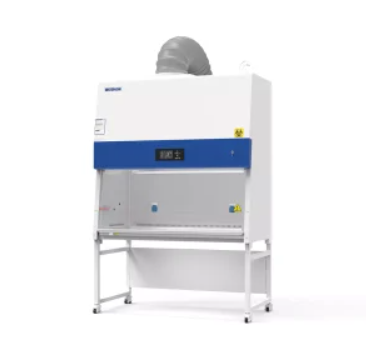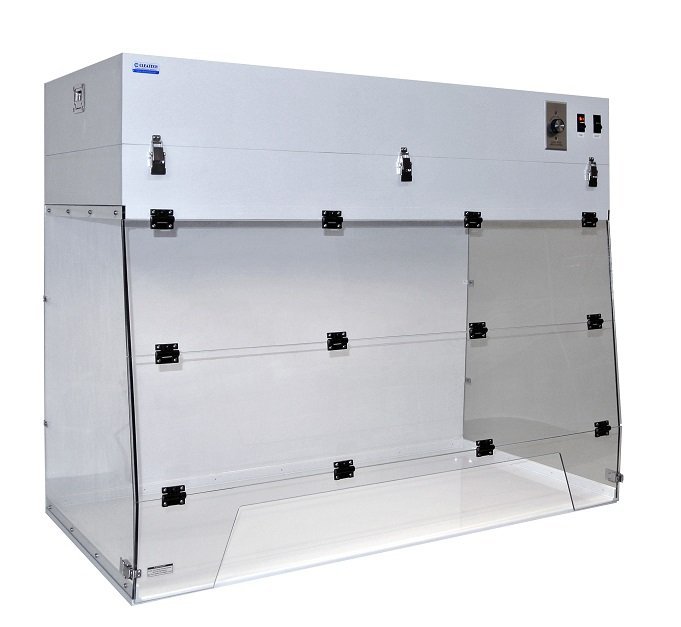
When you work with volatile chemicals, corrosive reagents, or hazardous vapors, your safety depends on more than lab protocols. You need engineered containment. That’s where a chemical exhaust hood becomes essential. It protects you, your team, and your facility by controlling airborne contaminants before they spread into the lab environment.
If you handle acids, solvents, powders, or toxic compounds, you cannot afford to rely on improvised ventilation. You need a system specifically designed to capture, contain, and exhaust hazardous fumes safely and efficiently.
You Protect Personnel from Harmful Exposure
The primary reason you need a hood is simple: personal safety. A properly designed exhaust hood captures airborne contaminants at the source. Instead of vapors dispersing into your breathing zone, they are drawn away through controlled airflow and duct systems.
When you use a high-performance chemical exhaust hood for laboratory fume control and operator safety, you reduce:
- Inhalation risks
- Chemical burns from airborne acids
- Cross-contamination between workstations
- Long-term exposure hazards
Without adequate ventilation, even small amounts of chemical vapor can accumulate. Over time, this increases health risks and regulatory violations. With the right hood, you create a controlled workspace that prioritizes safety first.
You can explore professional-grade solutions through this Chemical Exhaust Hood collection.
You Maintain Regulatory Compliance
If you operate a laboratory, manufacturing line, or research facility, you must comply with occupational safety standards. Regulatory bodies require proper ventilation systems when hazardous chemicals are used.
A chemical exhaust hood helps you meet:
- OSHA exposure limits
- Indoor air quality standards
- Laboratory safety guidelines
- Environmental exhaust requirements
When inspectors evaluate your facility, they look for engineered ventilation systems—not makeshift fans or open windows. Installing a certified hood demonstrates that you take compliance seriously.
You Prevent Cross-Contamination
In research and production environments, contamination can compromise results. Airborne particles or vapors can interfere with experiments, affect product purity, or damage sensitive equipment.
When you install a well-designed exhaust hood, you create localized containment. Instead of allowing vapors to circulate throughout the room, the hood isolates and removes them.
This is particularly important if you:
- Conduct pharmaceutical research
- Manufacture electronics
- Perform chemical synthesis
- Handle reactive materials
By controlling airflow, you maintain process integrity and ensure accurate outcomes.
You Improve Workflow Efficiency
You may not realize it, but proper ventilation directly impacts productivity. When fumes accumulate, operators may feel discomfort, irritation, or headaches. This slows down work and increases fatigue.
A reliable chemical exhaust hood improves airflow consistency and reduces distractions caused by chemical odors or irritation. You can focus fully on the task at hand instead of worrying about air quality.
Modern hoods are also designed for ergonomic access, clear visibility, and flexible configurations. This allows you to work efficiently without compromising safety.
For high-quality laboratory ventilation solutions engineered for durability and performance, you can rely on CleaTech LLC, provides specialized cleanroom and laboratory equipment built for controlled environments where safety and precision matter most.
You Control Hazardous Reactions
Certain chemicals release fumes only during specific reactions. Heating solvents, mixing acids, or transferring volatile compounds can generate sudden vapor releases.
A chemical exhaust hood provides immediate capture at the source. Instead of spreading through the workspace, fumes are directed into a ducted exhaust system.
This is especially essential if you work with:
- Strong acids
- Organic solvents
- Toxic reagents
- Flammable chemicals
By maintaining negative pressure within the hood, you reduce the risk of vapor escape—even during active reactions.
You Extend Equipment Lifespan
Corrosive vapors don’t just affect people—they damage equipment. Without proper exhaust systems, fumes settle on nearby instruments, electronics, and surfaces.
Over time, this leads to:
- Rust and corrosion
- Electrical damage
- Surface degradation
- Higher maintenance costs
Installing a chemical exhaust hood protects your facility investment. By containing corrosive vapors, you prevent environmental damage and extend the life of surrounding equipment.
You Create a Professional Laboratory Standard
If clients, auditors, or research partners visit your facility, your safety infrastructure speaks volumes. A well-installed exhaust hood signals professionalism and commitment to safe practices.
Whether you manage an R&D lab, academic facility, or industrial production unit, investing in engineered ventilation shows that you prioritize both safety and quality.
How to Choose the Right Chemical Exhaust Hood
To maximize benefits, you should evaluate:
- Airflow capacity (CFM requirements)
- Ducted vs. ductless configuration
- Material compatibility (polypropylene for corrosive chemicals)
- Work surface dimensions
- Sash design and visibility
- Facility exhaust integration
Selecting the right hood depends on your application. Always match the hood material and airflow performance to the chemicals you handle.
If you’re unsure which configuration suits your needs, you can reach out directly for expert guidance.
Contact us today to discuss your laboratory requirements. Professional consultation ensures you choose a solution that meets safety standards and operational goals.
Frequently Asked Questions
What is a chemical exhaust hood used for?
A chemical exhaust hood is used to capture and remove hazardous vapors, fumes, and airborne contaminants generated during chemical handling, mixing, or reactions. It protects users and maintains safe indoor air quality.
How does a chemical exhaust hood work?
It creates negative airflow that pulls contaminated air away from the operator and directs it through a duct system to the outside or filtration unit. This prevents fumes from escaping into the lab environment.
Is a chemical exhaust hood required in every laboratory?
If you handle volatile, toxic, or corrosive chemicals, a chemical exhaust hood is strongly recommended and often required by safety regulations.
What materials are best for corrosive environments?
Polypropylene and other corrosion-resistant materials are ideal when working with strong acids and aggressive chemicals.
How often should a chemical exhaust hood be inspected?
Most facilities perform annual inspections and airflow testing. However, usage intensity and regulatory standards may require more frequent checks.