Die cutting technology has come a long way from the manual leather punches of the 19th century to the sophisticated digital systems in use today. This process, essential in shaping and cutting materials with precision, has become a cornerstone in various industries, including automotive, electronics, and healthcare.
Die cutting machines started as simple cookie-cutter-like devices and gradually evolved into complex machinery capable of intricate designs and consistent outputs. Today’s machines leverage advanced technologies such as CNC (computer numerical control), which allows for automation and highly precise cuts according to digital designs. The trend towards automation has enabled faster production times, reduced human error, and, most crucially, expanded the types of materials that can be processed efficiently.
Positive Aspects of Die Cut Solutions
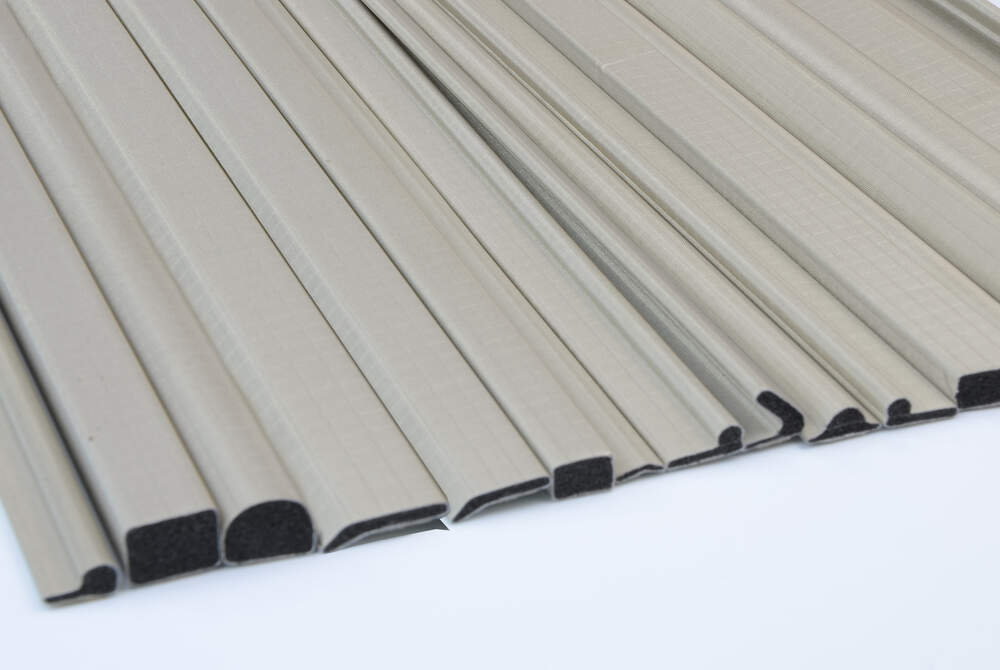
Within the realm of die cutting, there are many materials utilized to create specific parts and products. Several common applications include conductive foam, EMI shielding foam, and acrylic foam tape, which are instrumental in electronics for preventing electromagnetic interference and promoting circuit safety. Another essential material is the thermal conductive silicone used predominantly in computing and electronics to manage heat. Furthermore, Mylar sheets and thermal gap pads serve crucial roles in insulation and thermal regulation in various devices.
Die cut solutions seamlessly cater to EMI gaskets and both anti-static and conductive foams. These materials are imperative, especially in environments where electronic components are vulnerable to static electricity, which can cause significant damage and loss of functionality.
Automotive applications significantly benefit from precision die cutting. Companies, such as Jiepu, provide specialized services that meet the rigorous demands of the automotive industry. Using tailored die cut materials like conductive black foam and ESD conductive foam, these solutions enhance the durability and performance of automotive products. A precise and resistant component like a die cut part ensures that vehicles not only perform better but also adhere to the stringent safety standards of the automotive industry.
Die cutting has allowed for advancement in material technology, such as the functional customization of products that meet specific industry needs. Moreover, the ability to work with a wide array of materials underlines the versatility and indispensable nature of die cutting technology.
The precision and efficiency provided by modern die cutting are invaluable. The adaptability concerning material thickness, resilience, and detailing cater to complex designs and specific industry standards, which are unachievable with traditional cutting techniques.
For further details on one of the specific materials often used in these applications, which is polyurethane foam, you can visit this detailed resource: https://en.wikipedia.org/wiki/Polyurethane_foam
Die cutting’s role in modern manufacturing is crucial. As industries lean towards more sustainable and precise manufacturing practices, die cutting solutions are at the forefront, providing not only essential components but also pushing the boundaries of what can be achieved with material sciences and engineering technologies. The future of die cutting promises even greater integration with digital technology, potentially incorporating AI and machine learning for even greater precision and customization.