Periodontal disease is a serious gum condition that should not be left untreated. If a dentist is not seen to treat the gums, the individual may begin to lose teeth. Although periodontal disease is serious, there are several types of valuable treatments available.
Surgery is a common form of action, but depending on the severity of the condition, a non-surgical procedure called scaling and root planing may be appropriate.
Process summary
Root scaling and planning are actually deep teeth cleaning procedure that is ideal in the early stages of periodontal disease. During this time, the deep cleaning scaling and root planing individual’s teeth may develop pockets of abnormal spaces between the teeth. If these pockets increase in size, the teeth will begin to separate from the gum and eventually fall out.
Excess bacteria on teeth can also be accidentally ingested and make a person feel sick. This situation is very serious for people with heart-related conditions because bacteria can enter the bloodstream and cause inflammation in the chambers of the heart.
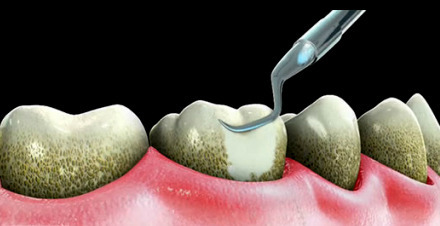
Scaling and root planing are generally administered as a single treatment under local anesthesia unless there is a significant amount of dental damage. During the “scaling” part of the procedure, the dentist uses mechanical tools to remove excess bacteria from the teeth. The bacteria can be in the form of plaque, tartar, or cavities.
The “brushing” part of the procedure involves cleaning below the gum level. Since bacteria may not be visible, the dentist looks for rough surfaces and uses a hand instrument to remove any debris or bacteria. There are two common types of hand instruments: an ultrasonic tool or a scraper. Dental patients tend to prefer the ultrasonic tool because it causes less discomfort.
Suitable candidates
To determine if a person’s periodontal disease is suitable for scaling and root planing, dentists use a guide provided by the American Dental Association (ADA). According to the ADA, gum disease that extends 3-6 millimeters below the gum line is suitable for scraping and root planning. Gum disease that is deeper than this amount will likely require surgery.
After the procedure
Since scaling and root planning involve the dentist working on sensitive areas of the teeth and gums, people may experience some pain, pain, and minor bleeding after the procedure. The individual may also notice a temporary sensitivity to hot or cold beverages.
In most cases, over-the-counter medications are sufficient to relieve symptoms. The dentist should be contacted if they last for an extended period of time.