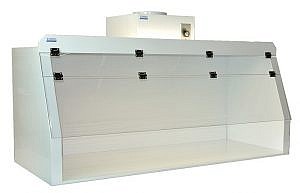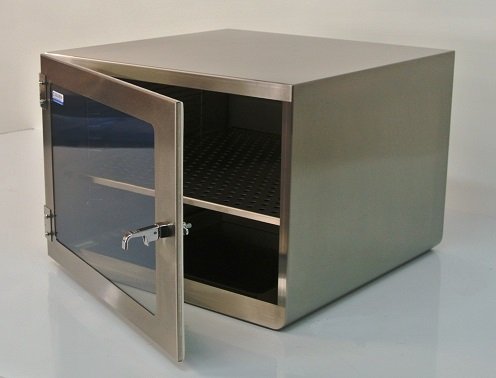
Cleanroom environments demand precision, cleanliness, and efficiency. While equipment often receives the most attention, the furniture inside your cleanroom plays an equally important role. The right furniture supports contamination control, improves worker comfort, and helps maintain regulatory compliance. Choosing unsuitable furniture can increase particle generation, reduce productivity, and create unnecessary maintenance challenges.
If you are planning a new cleanroom or upgrading an existing facility, understanding what to look for in cleanroom furniture will help you make a smarter investment.
Understand Your Cleanroom Classification
Before selecting furniture, you should identify the cleanroom classification and operational requirements of your facility. Different industries, such as pharmaceuticals, biotechnology, electronics manufacturing, and aerospace, have specific cleanliness standards.
Furniture used in controlled environments must be compatible with the cleanliness level required by your operation. Materials, finishes, and construction methods should minimize particle shedding and withstand frequent cleaning and disinfection procedures.
By matching furniture specifications with your cleanroom classification, you can maintain compliance while reducing contamination risks.
Prioritize Easy-to-Clean Materials
Cleanroom furniture should be constructed from materials that resist corrosion, chemicals, and microbial growth. Stainless steel is one of the most common choices because it offers durability and smooth, non-porous surfaces.
When evaluating furniture, look for:
- Smooth surfaces with minimal seams
- Rounded edges for easier cleaning
- Non-shedding materials
- Chemical-resistant finishes
- Rust-resistant construction
These features simplify routine cleaning and help maintain a controlled environment.
Select Ergonomic Seating Solutions
Employee comfort directly impacts productivity. Workers often spend long hours performing repetitive tasks, making ergonomic seating essential.
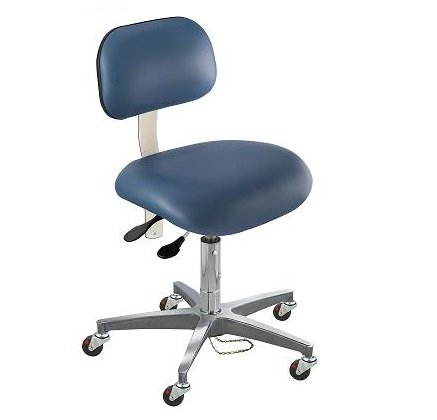
High-quality ergonomic cleanroom chairs and stools for contamination-controlled environments can provide:
- Adjustable seat height
- Proper lumbar support
- Adjustable foot rings
- Stable caster or glide options
- Durable cleanroom-compatible upholstery
Investing in reliable Cleanroom Furniture improves employee comfort while supporting contamination control requirements.
Evaluate Mobility and Workspace Flexibility
Modern cleanrooms often require adaptable layouts. Mobile furniture allows you to reconfigure workstations quickly without disrupting operations.
Consider furniture that includes:
- Lockable cleanroom casters
- Modular designs
- Adjustable work surfaces
- Lightweight yet durable construction
Flexible furniture solutions make it easier to accommodate changing production needs while maintaining efficiency.
Verify Compliance with Industry Standards
Not all furniture marketed for controlled environments meets cleanroom requirements. Always verify manufacturer specifications and certifications.
Ask suppliers about:
- Cleanroom compatibility testing
- Material certifications
- Electrostatic discharge (ESD) protection if required
- Chemical resistance ratings
- Recommended cleanroom classifications
Proper documentation helps demonstrate compliance during audits and inspections.
Consider Employee Safety
Safety should be a key factor when selecting cleanroom furniture. Furniture must remain stable during use and support the intended workload without failure.
Look for features such as:
- Anti-tip designs
- Stable bases
- Rounded corners
- Weight-rated components
- Slip-resistant surfaces
Safe furniture reduces workplace accidents and supports a more productive environment.
Focus on Long-Term Durability
While budget is always a consideration, purchasing low-cost furniture often leads to higher replacement and maintenance expenses over time.
Choose furniture built for continuous use in demanding cleanroom environments. Durable products maintain their appearance, functionality, and compliance characteristics even after repeated cleaning cycles.
High-quality furniture can reduce downtime, replacement costs, and operational disruptions.
Match Furniture to Specific Applications
Different cleanroom activities require different furniture solutions. Consider how the furniture will be used before making a final decision.
Examples include:
- Seating for laboratory technicians
- Workstations for electronics assembly
- Storage units for controlled materials
- Adjustable benches for inspection tasks
- ESD-safe furniture for sensitive electronic components
Selecting purpose-built furniture improves workflow efficiency and supports compliance objectives.
Partner with an Experienced Manufacturer
The furniture supplier you choose can significantly impact the success of your cleanroom operation. Experienced manufacturers understand the unique requirements of controlled environments and can recommend solutions tailored to your application.
When evaluating suppliers, consider:
- Industry experience
- Product quality
- Customization capabilities
- Technical support
- Compliance expertise
For organizations seeking dependable cleanroom seating and laboratory furniture solutions, CleaTech LLC offers a wide range of products designed specifically for controlled environments. Their expertise helps businesses select furniture that balances compliance, durability, and user comfort.
Maintain Furniture for Continued Compliance
Even the best cleanroom furniture requires regular maintenance. Establish a cleaning and inspection schedule to ensure furniture continues to perform as intended.
Routine maintenance should include:
- Surface cleaning and disinfection
- Inspection for damage or wear
- Verification of moving parts
- Replacement of worn components
- Documentation of maintenance activities
Proper maintenance extends product life and supports ongoing compliance efforts.
Conclusion
Selecting cleanroom furniture involves more than choosing tables and chairs. You must balance compliance requirements, contamination control, employee comfort, durability, and operational efficiency. By focusing on cleanroom-compatible materials, ergonomic design, safety features, and long-term reliability, you can create a workspace that supports both productivity and regulatory standards.
Whether you are upgrading an existing facility or designing a new cleanroom, choosing the right furniture is an investment in performance and compliance. To explore professional cleanroom solutions and receive expert guidance, Contact us today and find the right furniture for your controlled environment needs.
Frequently Asked Questions
What is cleanroom furniture?
Cleanroom furniture is specially designed furniture made from low-particle-generating materials that support contamination control in controlled environments.
Why is ergonomic furniture important in a cleanroom?
Ergonomic furniture improves worker comfort, reduces fatigue, enhances productivity, and supports long-term employee health.
Which materials are commonly used in cleanroom furniture?
Stainless steel, powder-coated steel, and specialized cleanroom-compatible polymers are commonly used due to their durability and ease of cleaning.
How often should cleanroom furniture be cleaned?
Cleaning frequency depends on cleanroom classification and operational procedures, but regular cleaning and inspection are essential for compliance.
Can cleanroom furniture be customized?
Yes. Many manufacturers offer customized cleanroom furniture solutions to meet specific operational, dimensional, and compliance requirements.
What should I look for when buying cleanroom chairs?
Look for ergonomic support, cleanroom-compatible materials, adjustable features, durability, and compliance with your facility’s cleanliness standards.