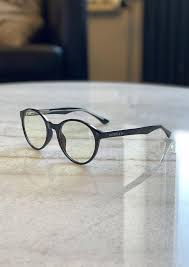
Blue light blocking glasses are an invaluable asset to those who spend extended amounts of time in front of screens, providing optimal protection. Choose a lens tint tailored specifically to your screen usage as recommended by an eye doctor to maximize protection and ensure optimal eye health.
Keep in mind that the most effective strategy to prevent night-time exposure to blue light is limiting screen time before bed. Comfortable blue light blocking glasses won’t pinch the bridge of your nose or slide down behind your ears, providing effective protection.
They Block Blue Light
Blue light glasses may provide some benefits for people who spend too much time looking at screens, though there hasn’t been much research conducted into their effectiveness. Still, many users report feeling less strain in their eyes when wearing blue light glasses.
Reasoning behind their effectiveness lies within these glasses’ tint, which filters out some of the blue light that would otherwise reach your eyes. Furthermore, their lenses may feature anti-reflective coatings which help reduce glare for clear vision and view.
Experts tend to agree that blue light blocking glasses help alleviate eye strain; however, other researchers suggest other factors could also play a part. According to these analysts, blue light blocking glasses aren’t as effective at encouraging restful sleep than simply limiting screen time before bed – this is because our bodies need some light at night for proper circadian rhythm production – even small amounts of blue light may disrupt this process and disrupt restful slumber.
They Help You Sleep Better
If you find it difficult to sleep at night, investing in blue light blocking glasses might help. Blue light from smartphones, tablets and computers (as well as LED lighting) suppresses melatonin production – which regulates sleep-wake cycles – suppressing it altogether. While blue light blocking glasses are effective solutions, they’re not an immediate fix – to maintain good sleep hygiene practices you must still turn down all devices prior to bedtime and practice good sleeping hygiene principles such as turning off devices early before sleeptime and turning off devices prior to bedtime in addition to wearing glasses!
Research suggests it might be best to forgoing glasses altogether and instead activate your smartphone’s “night shift” or “dark mode.” Studies have revealed this setting filtering out more shortwavelength blue light than transparent lenses, plus providing extra benefits like reduced glare reduction. A recent study pitting blue-blocking amber glasses against clear placebo lenses three hours before bedtime found that amber lenses improved both time to sleep as well as quality of restful restful slumber.
They Help You Look Your Best
Blue light can disrupt sleep cycles, cause eye strain, and contribute to macular degeneration. Blue light-blocking glasses were originally developed to remove these harmful wavelengths from digital screens – however a recent study concluded that they did not help reduce eyestrain or keep people awake while using screens.
Blue-light blocking glasses may help relieve eye fatigue if you do not suffer from migraines or extreme light sensitivity, though choosing ones which also reduce brightness is likely to alleviate any discomfort more effectively.
When shopping for blue-light glasses, look for frames marked “blue-blocking,” and check their transmittance spectrum report to determine how much light is blocked by each frame. Be sure to purchase from a reputable store or manufacturer with high customer ratings and return policies; prescription lenses designed specifically for your needs would also be ideal.
They Help You Stay Healthy
Blue light-blocking glasses can help keep your eyes healthy by protecting against eyestrain. Eye strain can result from spending too much time staring at digital devices for long periods, leading to dry eyes, blurred vision and headaches as symptoms.
There are various strategies available to reduce eyestrain, such as using artificial tears or following the 20-20-20 rule: every 20 minutes look away for 20 seconds at something 20 feet away for 20 seconds. Blue light blocking glasses may also help prevent dry eyes and improve sleep quality by keeping melatonin levels higher during the nighttime hours.
If you are in the market for block blue light glasses, make sure they provide UV protection and are lightweight. Consider purchasing ones designed by companies who conduct thorough research before selling their products to ensure optimal effectiveness. If needed, prescription lenses may fit over these as well.