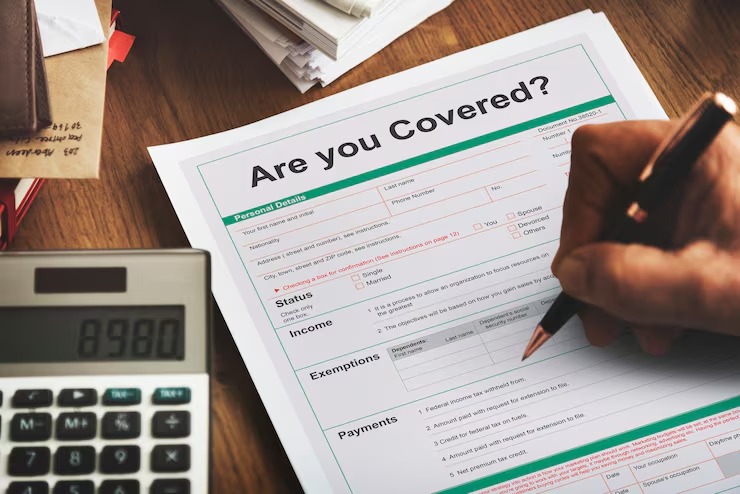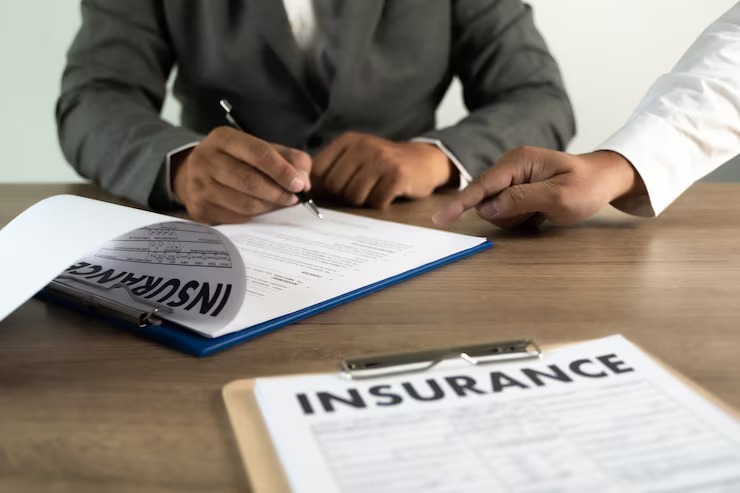
When your Ohio business starts growing, your insurance needs can change just as quickly as your operations. You may add employees, purchase equipment, lease a larger space, take on bigger projects, or begin serving more customers. Each change can introduce new risks that your original policy may not fully address.
Instead of assuming your existing coverage is enough, you should review your protection as your business evolves. The right approach is not simply to collect policies. It is to identify the risks your business actually faces and build coverage around them.
Start With Your Business’s Biggest Risks
Before choosing coverage, look at how your business operates today.
Ask yourself what could financially disrupt your business tomorrow. A customer could slip on your premises. An employee could suffer a workplace injury. Your equipment could be damaged. A fire could interrupt operations. A professional mistake could lead to a claim.
Your answers will help determine which types of coverage deserve priority.
Your industry also matters. A contractor, restaurant, retailer, office, landscaper, electrician, and professional service business can face very different exposures. Your insurance should reflect those differences rather than follow a one-size-fits-all approach.
General Liability Should Be a Foundation
General liability insurance is one of the most important protections for many growing businesses. It can help address claims involving bodily injury, property damage, and certain personal or advertising injuries connected to your business activities.
For example, imagine a customer visits your business and slips on a wet floor. Or your employee accidentally damages property while working at a customer’s location. A liability policy may help respond to covered claims and associated legal expenses.
As your customer base and business activity increase, your exposure can increase as well. Reviewing your liability protection regularly can help you avoid discovering a coverage gap after an incident occurs.
Protect the Property You Depend On
Your business may rely on computers, tools, furniture, inventory, machinery, signage, or specialized equipment. If those assets are damaged by a covered event, replacing them could interrupt your normal operations.
Consider what your business physically owns and what it cannot operate without.
Property coverage may help protect eligible business property against covered causes of loss. If you operate from a leased location, do not assume the landlord’s insurance protects everything inside your space. Your business assets may require separate protection.
You should also review your property inventory whenever you purchase major equipment or expand your operations.
Consider Business Interruption Protection
Property damage is only one part of a major disruption. The bigger challenge may be losing the ability to operate normally.
Suppose a covered event forces you to temporarily close or relocate. You could still have ongoing expenses while your normal revenue is affected. Depending on the policy, business interruption or business income coverage may help with certain eligible losses during a covered interruption.
As your business becomes more dependent on consistent operations, this type of protection deserves careful consideration.
Employees Can Change Your Insurance Needs
Hiring your first employees is a major milestone, but it also changes your risk profile.
You may need workers’ compensation coverage and other protections depending on your business structure and applicable Ohio requirements. You should also consider whether your employees drive for work, use company equipment, work at customer locations, or handle sensitive information.
Your insurance review should therefore include your workforce, not just your building and equipment.
The more responsibilities your employees take on, the more important it becomes to make sure your policies reflect what they actually do.
Don’t Overlook Commercial Auto Risks
If your business owns vehicles or employees use vehicles for business purposes, personal auto coverage may not provide the protection you expect for business-related activities.
Commercial auto insurance can address covered risks associated with vehicles used for business purposes. This can become particularly important for contractors, delivery businesses, service companies, and other businesses where employees regularly drive as part of their work.
Make a list of every vehicle used for business and consider who drives it, how it is used, and where it typically travels.
Cyber Risks Deserve Attention Too
Modern businesses depend heavily on technology. Even a small company may store customer information, process payments, use cloud software, or communicate through online systems.
A cyber incident could involve data exposure, ransomware, business interruption, or other complications. Traditional insurance policies may not address every technology-related exposure.
If your business collects or stores sensitive information, ask whether cyber coverage should be part of your broader insurance strategy.
Review Contracts Before Signing Them
Growing businesses often take on larger clients and more complex contracts. Some agreements may require specific insurance limits, additional insured status, certificates of insurance, or other conditions.
Do not wait until after signing a contract to discover that your current coverage does not meet the requirement.
Before accepting significant work, review the insurance language and discuss unfamiliar requirements with your insurance professional. This simple step can help you understand your obligations before they become a problem.
Build a Coverage Review Into Your Growth Plan
Your insurance should evolve when your business does.
Schedule a review whenever you:
- Hire additional employees
- Move into a larger location
- Purchase expensive equipment
- Add company vehicles
- Expand into new services
- Sign larger customer contracts
- Increase inventory
- Start storing customer information
- Open another location
These changes can create new exposures that were not present when your original policy was written.
If you are evaluating your protection, exploring comprehensive Commercial Insurance Ohio options for a growing business can help you understand how different policies may fit your operations.
Work With Someone Who Understands Your Business
Choosing coverage becomes easier when the conversation starts with your actual business rather than a list of generic policies.
Oyer Insurance Agency LLC can help you look at your business activities, identify potential exposures, and consider coverage that aligns with your situation.
The goal is not simply to have insurance. Your goal should be to have protection that makes sense for the business you are operating today.
If your business has changed significantly since your last insurance review, take the next step. Contact us to discuss your current coverage and business insurance needs and make sure your protection keeps pace with your growth.
FAQs
1. What insurance does a growing Ohio business need?
Your needs depend on your industry, employees, property, vehicles, contracts, and daily operations. General liability, property, workers’ compensation, commercial auto, business interruption, and cyber coverage may all deserve consideration.
2. Is general liability enough for my business?
Usually, general liability addresses only certain risks. It may not protect your vehicles, employees, business property, income interruption, or cyber exposures. You should evaluate your complete risk profile instead of relying on one policy.
3. When should you review business insurance?
Review your coverage whenever your business changes significantly, such as adding employees, equipment, vehicles, locations, services, inventory, or major contracts.
4. Does business growth affect insurance needs?
Yes. Growth can introduce additional employees, customers, property, contracts, vehicles, and operational responsibilities. As your exposure changes, your existing coverage may need to be reviewed and updated.
5. How can you identify coverage gaps?
Start by reviewing your operations, assets, employees, contracts, vehicles, technology, and customer interactions. Then discuss those risks with an insurance professional who can help identify areas requiring additional protection.