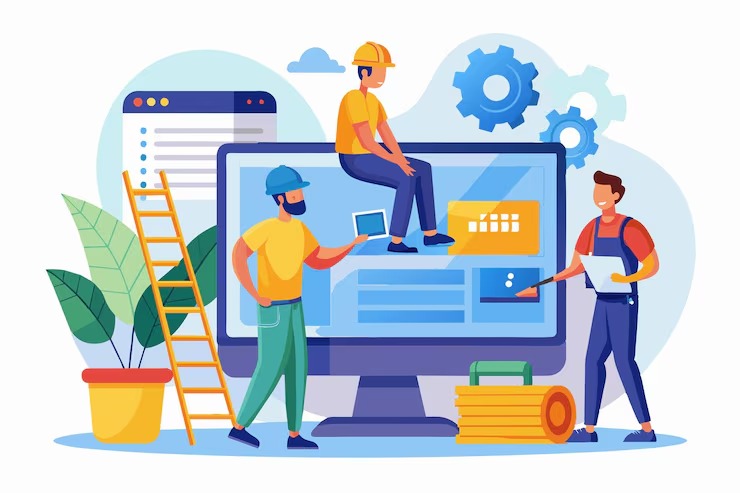
Your enterprise website is more than an online brochure. It supports marketing, sales, customer service, lead generation, recruitment, and brand credibility. As your business grows, your website also becomes more complex, making regular maintenance essential for keeping every part of the digital experience reliable.
Enterprise website maintenance focuses on security, performance, content, technology, usability, and scalability. Instead of waiting for problems to disrupt your operations, you can establish a structured maintenance process that keeps your website stable and ready for growth.
Why Does Enterprise Website Maintenance Matter?
Enterprise websites often contain hundreds or thousands of pages, multiple integrations, complex databases, forms, analytics systems, and third-party tools. A small technical issue can therefore affect multiple areas of your business.
Regular maintenance helps you identify problems before they become expensive disruptions. It also keeps your website aligned with changing technologies, security requirements, search engine expectations, and customer needs.
A proactive approach gives you better control over website performance while reducing the risk of unexpected downtime.
What Should You Include in Enterprise Website Maintenance?
Your maintenance strategy should cover more than occasional software updates. You need a comprehensive system that addresses the technical and business requirements of your website.
1. Security Monitoring and Updates
Security should be one of your highest priorities. Outdated software, plugins, themes, frameworks, and server components can create vulnerabilities that attackers may exploit.
You should regularly apply security patches, monitor suspicious activity, review user permissions, and maintain reliable backups. A strong security process can help protect customer information and reduce the risk of website compromise.
2. Website Performance Optimization
Enterprise websites can become slower as you add pages, media, integrations, tracking scripts, and functionality. Slow performance can frustrate visitors and negatively affect conversions.
Your maintenance process should include performance monitoring, image optimization, database cleanup, caching checks, code optimization, and hosting reviews. You should also test important pages regularly to identify performance problems before they affect users.
3. Software and Plugin Management
Your website may depend on a content management system, plugins, APIs, themes, extensions, or custom applications. Keeping these components updated helps improve compatibility, security, and functionality.
However, you should not blindly install every update. Test significant changes in a staging environment first, especially when your website depends on custom code or multiple integrations.
4. Backup and Recovery Planning
A backup is valuable only when you can restore your website successfully. Enterprise maintenance should therefore include automated backups and periodic restoration testing.
You should maintain multiple backup points and store critical copies separately from the primary website environment. Documenting your recovery process can also help your team respond faster if something goes wrong.
Should You Use a Monthly Maintenance Strategy?
Yes. Enterprise websites benefit from continuous monitoring rather than occasional fixes. A Monthly Website Maintenance Package can provide a structured schedule for updates, security checks, backups, performance reviews, and technical support.
The exact frequency should depend on your website’s complexity, traffic, technology stack, and business requirements. High-traffic websites or platforms handling sensitive transactions may require more frequent monitoring than smaller corporate sites.
How Do Content Updates Support Website Health?
Your website needs accurate and useful content as much as it needs reliable technology. Outdated service information, broken links, old promotions, incorrect contact details, and obsolete resources can damage user trust.
You should regularly review important pages and update information that no longer reflects your business. Content audits can also help you identify thin pages, duplicate information, broken internal links, and opportunities to improve the customer journey.
A maintenance strategy that combines technical checks with content management gives you a more complete approach to website quality.
What Role Does Technical SEO Play?
Website maintenance and SEO are closely connected. Broken links, crawl errors, slow pages, poor mobile performance, duplicate pages, and incorrect redirects can create obstacles for search engines and visitors.
Your team should monitor indexing, redirects, XML sitemaps, metadata, structured data, canonical settings, and technical errors. Consistent technical reviews help you maintain a website that is easier for both users and search engines to understand.
If you need professional support, enterprise website maintenance services can help you manage these ongoing responsibilities without placing the entire workload on your internal team.
How Can You Manage Enterprise Maintenance More Efficiently?
Start by creating a maintenance schedule based on priority. Security and uptime should receive immediate attention, while content audits and design improvements can follow a planned timetable.
You should also maintain a clear record of updates, incidents, backups, performance issues, and completed tasks. This documentation helps you understand recurring problems and make better technology decisions.
Working with an experienced provider can further simplify the process. JDM Web Technologies can support businesses that need organized website maintenance without constantly reacting to technical emergencies.
How Much Should You Automate?
Automation can make enterprise maintenance faster and more consistent. You can automate backups, uptime monitoring, security alerts, performance checks, and certain reporting tasks.
However, automation should support—not replace—professional oversight. Some issues require human evaluation, especially when an update affects custom functionality, integrations, customer journeys, or business-critical systems.
Your goal should be to automate repetitive monitoring while keeping important decisions under experienced supervision.
How Do You Build a Reliable Maintenance Plan?
Begin by documenting your website’s infrastructure, integrations, hosting environment, critical pages, backup process, and security requirements. Then establish responsibilities and maintenance intervals.
Prioritize tasks according to business impact. A broken checkout, lead form, or customer portal deserves faster attention than a minor visual issue on a low-traffic page.
You should also review your maintenance strategy regularly as your business changes. New integrations, website redesigns, increased traffic, and additional functionality can all create new maintenance requirements.
For businesses that want a dependable partner, JDM Web Technologies provides a practical option for managing ongoing website needs.
Frequently Asked Questions
1. What is enterprise website maintenance?
Enterprise website maintenance is the ongoing process of managing security, performance, software updates, backups, content, technical SEO, functionality, and website reliability across a large or complex business website.
2. How often should an enterprise website be maintained?
You should monitor critical systems continuously and perform scheduled maintenance at least monthly. The appropriate frequency depends on your website’s complexity, traffic, integrations, security requirements, and business importance.
3. Does website maintenance improve SEO?
Yes. Maintenance can help prevent broken links, slow pages, indexing problems, duplicate content, and technical errors that may interfere with search engine crawling, user experience, and organic visibility.
4. Why are website backups important?
Backups give you a recovery option when your website experiences data loss, security incidents, software failures, or other technical problems. Regular restoration testing helps ensure those backups are actually usable.
5. Can an external company manage enterprise website maintenance?
Yes. An experienced maintenance provider can manage technical updates, monitoring, security, backups, performance, and troubleshooting while allowing your internal team to focus on core business priorities.
Keep Your Enterprise Website Ready for Growth
Your website should support your business—not become a source of recurring technical problems. With proactive monitoring, regular updates, reliable backups, performance optimization, and structured content reviews, you can create a stronger digital foundation for long-term growth.
If you are ready to improve website reliability and reduce the burden of ongoing maintenance, explore the available Website Maintenance Packages and choose a plan that fits your business needs. For a tailored maintenance strategy, contact JDM Web Technologies and discuss your requirements with a professional team.