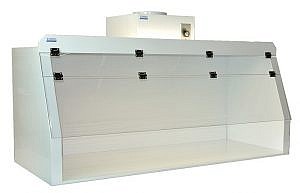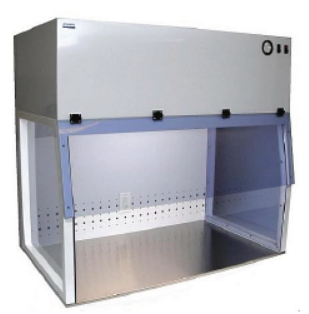
Choosing the right equipment for your laboratory is essential for maintaining a clean, controlled, and efficient workspace. A clean bench hood helps protect sensitive materials, samples, and processes from airborne contaminants by providing a controlled airflow environment. However, selecting the correct model requires careful consideration of your application, workspace requirements, airflow design, filtration system, and operational goals.
Whether you work in research, electronics, pharmaceuticals, biotechnology, or other precision industries, understanding your laboratory needs will help you invest in a solution that improves productivity and maintains consistent results.
Why Is Selecting the Right Clean Bench Hood Important?
A clean bench hood creates a controlled workspace where filtered air reduces the risk of contamination during delicate procedures. Choosing the wrong system can lead to inefficient airflow, limited workspace, reduced protection, and unnecessary operating costs.
When you select the right clean bench hood, you gain advantages such as:
- Improved sample and product protection
- Better contamination control
- Increased laboratory efficiency
- Enhanced workflow organization
- Reliable performance for sensitive applications
Before making a purchase decision, evaluate your laboratory processes and determine the level of cleanliness and protection required.
What Factors Should You Consider Before Choosing a Clean Bench Hood?
Understand Your Laboratory Application
Your application should be the first consideration when selecting a clean bench hood. Different laboratory tasks require different airflow configurations and workspace designs.
Consider whether you need the hood for:
- Biological sample preparation
- Pharmaceutical research
- Microelectronics assembly
- Tissue culture procedures
- Precision manufacturing
- Laboratory testing
A clear understanding of your process will help you select a system that matches your contamination control requirements.
Choose the Correct Airflow Design
Airflow direction plays a major role in clean bench hood performance. The two common airflow designs are vertical and horizontal configurations.
A vertical airflow clean bench directs filtered air downward over the workspace, helping maintain a clean working area. This design is often preferred for applications where uniform airflow distribution is important.
A horizontal airflow system moves air from the back of the unit toward the user, creating a consistent clean air stream across the workspace.
Selecting the correct airflow style depends on your process, equipment placement, and laboratory workflow.
How Does Filtration Affect Clean Bench Hood Performance?
Filtration is one of the most important components of a clean bench hood. High-efficiency filters remove airborne particles and maintain a cleaner working environment.
When evaluating filtration, consider:
- Filter efficiency ratings
- Filter replacement requirements
- Air quality standards
- Maintenance accessibility
A reliable filtration system ensures consistent performance and reduces contamination risks during critical laboratory procedures.
What Size Clean Bench Hood Do You Need?
The available laboratory space and your workflow requirements determine the ideal hood size. A unit that is too small may restrict movement, while an oversized system may consume unnecessary space and energy.
Before selecting a model, measure:
- Available installation area
- Required working surface
- Equipment dimensions
- Operator accessibility
Choosing the appropriate size allows you to maintain comfortable operation while maximizing laboratory efficiency.
How Do You Evaluate Build Quality and Durability?
A clean bench hood should be constructed from durable materials that support long-term laboratory use. Look for features such as corrosion-resistant surfaces, easy-to-clean interiors, strong construction, and reliable components.
High-quality materials help reduce maintenance requirements and ensure the system continues performing effectively over time.
Working with an experienced manufacturer like CleaTech LLC can help you access dependable laboratory solutions designed for various controlled environments.
Why Should You Consider Energy Efficiency and Maintenance?
Operating costs are an important factor when selecting laboratory equipment. An energy-efficient clean bench hood can reduce long-term expenses while maintaining reliable airflow performance.
Review features such as:
- Energy-saving motors
- Low-maintenance filters
- Easy cleaning designs
- User-friendly controls
Regular maintenance, including filter inspection and airflow verification, helps extend equipment life and maintain consistent performance.
How Can You Select a Reliable Clean Bench Hood Supplier?
A trusted supplier provides more than just equipment. You should consider technical support, product quality, customization options, and after-sales assistance before making a decision.
CleaTech LLC provides laboratory and cleanroom solutions designed to support contamination-controlled environments. Their expertise helps laboratories select suitable equipment based on application requirements.
If you need guidance in choosing the right system for your facility, you can Contact us today for professional assistance and product recommendations.
What Are the Benefits of Investing in the Right Clean Bench Hood?
The correct clean bench hood improves laboratory operations by creating a stable and controlled working environment. It supports accurate results, protects sensitive materials, and helps maintain quality standards.
Key benefits include:
- Reduced contamination risks
- Improved process reliability
- Better workspace organization
- Increased operational confidence
- Long-term cost efficiency
Selecting the right equipment is not only about purchasing a product; it is about creating a reliable environment that supports your laboratory goals.
Conclusion
Choosing the right clean bench hood requires careful evaluation of your laboratory application, airflow requirements, filtration performance, size, durability, and maintenance needs. By understanding these factors, you can select a system that improves cleanliness, efficiency, and workflow reliability.
A properly selected clean bench hood becomes a valuable investment that supports precision work and consistent laboratory performance. Take time to assess your requirements, compare available options, and choose a solution designed for your specific environment.
Frequently Asked Questions
What is a clean bench hood used for?
A clean bench hood provides a controlled workspace with filtered airflow to reduce airborne contamination. It is commonly used for sensitive laboratory procedures, sample preparation, research applications, and precision manufacturing processes.
How do you choose the right clean bench hood size?
Choose a size based on your available workspace, equipment dimensions, and operational requirements. Ensure the hood provides enough working space without limiting laboratory movement.
What is the difference between vertical and horizontal clean bench hoods?
A vertical clean bench hood directs filtered air downward, while a horizontal system moves air across the workspace. The best option depends on your application and workflow requirements.
How often should a clean bench hood filter be replaced?
Filter replacement depends on usage, environmental conditions, and manufacturer recommendations. Regular inspections help determine when replacement is necessary.
Can a clean bench hood improve laboratory productivity?
Yes. A properly selected clean bench hood reduces contamination risks, creates an organized workspace, and supports smoother laboratory operations, improving overall productivity.