When your laboratory work depends on clean conditions, even small airborne particles can affect sensitive samples, components, or processes. A Horizontal Laminar Flow Hood gives you a controlled work area by directing filtered air horizontally across the workspace. This continuous airflow helps reduce airborne contamination and supports applications where product or process cleanliness is essential.
Unlike equipment designed for chemical fume control or personnel protection, a horizontal laminar flow hood is primarily intended to protect the material you are handling. Choosing the right configuration, filtration, size, and accessories allows you to create a cleaner and more consistent workspace for contamination-sensitive tasks.
What Is a Horizontal Laminar Flow Hood?
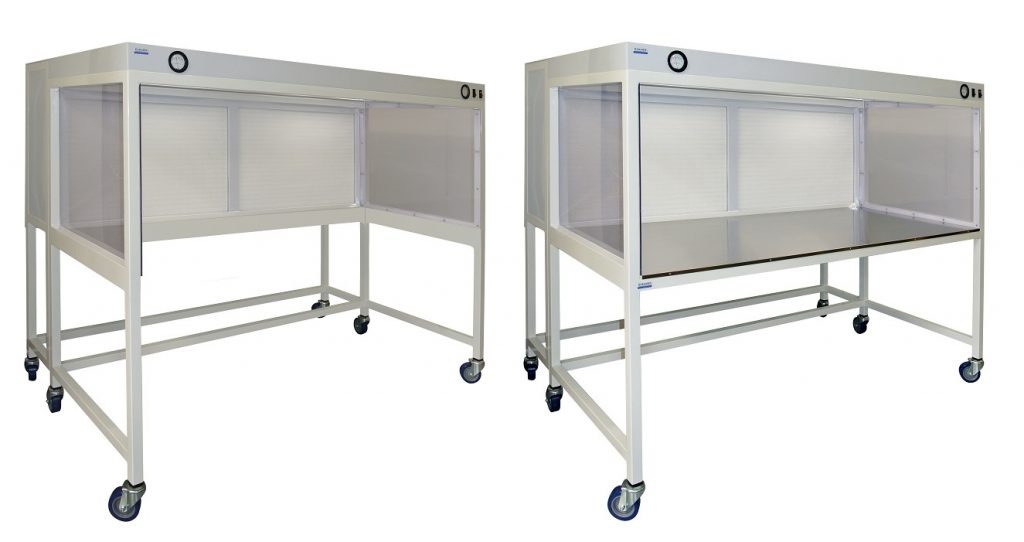
A horizontal laminar flow hood is a clean bench that supplies filtered air from the rear of the enclosure toward the front. The airflow passes through a HEPA or ULPA filter before entering the work area, helping minimize airborne particulate contamination around your samples or products.
The horizontal airflow pattern is particularly useful when you need consistent air movement across a work surface. Because the filtered air travels directly toward you, you can position your materials within the protected workspace while maintaining a continuous supply of clean air.
For example, current Cleatech horizontal models are offered in multiple widths, including 3-, 4-, 6-, and 8-foot configurations, giving you flexibility when matching the hood to your available workspace and application requirements.
How Does Horizontal Laminar Airflow Work?
The operating principle is straightforward. Air enters the filtration system, passes through the final filter, and then moves in a controlled horizontal direction across the work area.
A properly designed system helps create a relatively uniform airflow pattern rather than allowing stagnant pockets of air to develop around your workspace. This is important when you are working with materials that can be affected by dust, fibers, or other airborne particles.
Depending on the configuration, you can select HEPA or ULPA filtration. Cleatech lists HEPA filtration at 99.99% efficiency for particles of 0.3 micrometers and ULPA filtration at 99.999% efficiency for particles of 0.12 micrometers on its horizontal flow equipment.
If your application has a particularly strict cleanliness requirement, discuss the appropriate filtration level and performance specifications before purchasing your unit.
Why Use a Horizontal Laminar Flow Hood for Sterile Work?
You can use horizontal laminar airflow when contamination control is a priority. The system provides a dedicated clean workspace where filtered air continuously moves over the materials you are handling.
Common benefits include:
- Reduced exposure of sensitive materials to airborne particles
- Consistent directional airflow across the workspace
- Dedicated space for contamination-sensitive procedures
- Flexible work-area sizes for different laboratory requirements
- Options for HEPA or ULPA filtration
- Configurations suitable for laboratory, manufacturing, electronics, and research environments
Horizontal laminar flow systems are used for applications including electronics assembly, non-biological tissue culture, parts inspection, optics assembly, and other processes where protecting the product or process from airborne contamination is important.
You should always evaluate the specific hazards involved in your process before selecting this type of equipment.
Horizontal vs. Vertical Laminar Flow
The primary difference between horizontal and vertical laminar flow is airflow direction.
With a horizontal hood, filtered air moves from the rear of the unit toward the front. With a vertical hood, filtered air moves downward from the upper filter area toward the work surface.
A horizontal design can be useful when you want airflow to travel directly across the work surface. A vertical configuration may be more appropriate when your procedure benefits from downward airflow or when the physical arrangement of equipment makes vertical airflow more practical.
Before choosing between the two, consider:
- The size and shape of your materials
- Required working height
- Equipment placement
- Airflow direction
- Available laboratory space
- Cleaning requirements
- Required filtration
- Whether your process requires product protection or personnel protection
Selecting based on your actual workflow is more effective than choosing a hood solely by size or appearance.
Applications for Horizontal Laminar Flow Hoods
You can use a horizontal laminar flow hood in many contamination-sensitive environments. Typical applications include:
Pharmaceutical and Compounding Work
A clean bench can support certain non-hazardous pharmaceutical preparation activities where product protection is required. However, you should verify the applicable procedures, regulations, and facility requirements before using a laminar flow hood for any regulated preparation.
Medical and Research Laboratories
Sensitive laboratory materials may benefit from a controlled airflow environment. Researchers can use clean benches for suitable non-hazardous procedures where airborne contamination could interfere with the work.
Electronics and Precision Assembly
Dust and particles can interfere with small electronic components and precision assemblies. Horizontal airflow can help provide a cleaner workspace for assembly, inspection, and handling.
Optics and Parts Inspection
When you need to inspect or assemble sensitive components, reducing airborne particles around the work area can help maintain cleanliness.
Tissue Culture and Other Sensitive Processes
Certain non-hazardous tissue culture and research applications may use horizontal laminar airflow to reduce particulate contamination. Your specific biological procedure should determine whether a clean bench is appropriate.
Choose the Right Hood Size
Your hood should provide enough workspace for your normal procedures without creating unnecessary unused space.
Start by measuring the largest items you regularly handle. Then consider the additional room you need for instruments, containers, tools, and movement.
For example, Cleatech’s horizontal clean-bench range includes 3-, 4-, 6-, and 8-foot models. Some configurations provide approximately 34, 46, 70, or 94 inches of work-area width, respectively.
Do not choose the smallest possible unit simply to save space. Crowding materials can make your workflow less efficient and may interfere with appropriate positioning inside the clean area.
Consider Construction Materials
The construction material should match your laboratory environment.
Polypropylene can be a practical option when chemical resistance is important, while stainless-steel work surfaces may provide durability and ease of cleaning for particular applications. Cleatech offers horizontal configurations with polypropylene construction and optional stainless-steel work surfaces and other accessories.
When comparing units, look beyond the exterior material. Examine the work surface, side panels, filter housing, lighting, stand, electrical accessories, and maintenance access.
Maintain Your Clean Work Area
Your hood can only perform effectively when you maintain it correctly. Establish a routine that includes cleaning the work surface, checking the airflow system, inspecting filters, and following the manufacturer’s maintenance recommendations.
Before beginning work:
- Clean the work surface using an appropriate method for the material.
- Remove unnecessary equipment and supplies.
- Allow the airflow system to operate according to your established procedure.
- Arrange materials so they do not unnecessarily obstruct airflow.
- Keep frequently used items organized to minimize excessive movement.
Avoid overcrowding the workspace. Large objects can interfere with airflow and reduce the practical benefits of a controlled work environment.
Filter condition also matters. Some Cleatech configurations include a pressure gauge that helps monitor filter loading and indicates when filter replacement may be necessary.
Understand What a Laminar Flow Hood Does Not Protect
This distinction is essential for safe equipment selection.
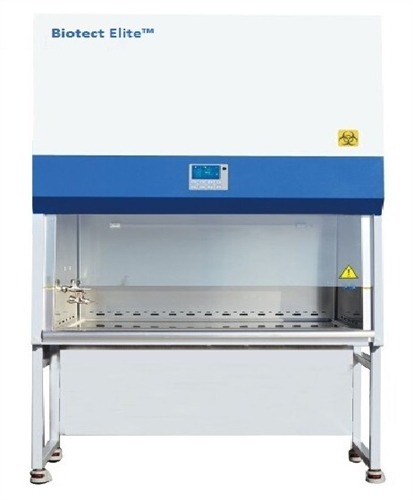
A horizontal laminar flow hood is designed primarily to protect your product or process from airborne contamination. It is not a substitute for a chemical fume hood or biological safety cabinet when you need protection from hazardous chemicals, infectious materials, toxic substances, or potentially harmful aerosols.
Before purchasing equipment, identify whether your primary requirement is product protection, personnel protection, environmental protection, or a combination of these needs. Choosing equipment based on the actual hazard profile helps prevent improper use.
Selecting the Right Features
Your application may require more than basic filtration. Depending on your workflow, you can consider features such as:
- HEPA or ULPA filtration
- Stainless-steel work surfaces
- Built-in lighting
- Filter monitoring gauges
- UV-C sanitation options
- Power outlets
- Adjustable or specialized stands
- Static-control options
- Clear side panels
- Custom configurations
For example, Cleatech lists optional UV-C lighting, stainless-steel work surfaces, power outlets, and ULPA filtration for selected horizontal models. (Cleatech Scientific)
Choose only the features that support your actual process. Extra accessories are useful when they solve a specific workflow or contamination-control requirement.
Work With a Laboratory Equipment Specialist
If you are unsure which configuration fits your application, review the requirements before ordering. Your decision should consider the required cleanliness level, airflow direction, workspace dimensions, filter type, material compatibility, electrical needs, and maintenance expectations.
You can explore Horizontal Laminar Flow Hood solutions for controlled laboratory work to compare available configurations and specifications.
You can also learn more about CleaTech LLC laboratory and cleanroom equipment solutions when evaluating equipment for your facility.
Make Sterile Work More Consistent
A horizontal laminar flow hood can give you a dedicated workspace where filtered air continuously moves across sensitive materials. When you combine the appropriate hood size, filtration, airflow configuration, cleaning practices, and maintenance schedule, you can create a more consistent environment for contamination-sensitive work.
The most important step is to match the equipment to your process rather than assuming every clean bench provides the same protection. Evaluate your materials, hazards, workspace, cleanliness requirements, and workflow before making your selection.
Frequently Asked Questions
1. What is a horizontal laminar flow hood used for?
A horizontal laminar flow hood provides a clean workspace by moving HEPA- or ULPA-filtered air horizontally across the work surface. It is commonly used for contamination-sensitive laboratory, pharmaceutical, electronics, optics, and assembly applications.
2. Does a horizontal laminar flow hood protect the user?
No. A horizontal laminar flow hood primarily protects the product or process from airborne contamination. It should not be used as a substitute for equipment designed to protect personnel from hazardous chemicals, infectious materials, or toxic substances.
3. Is HEPA or ULPA filtration better?
ULPA filtration provides a higher stated particle-removal efficiency than HEPA filtration in applicable configurations. However, the right choice depends on your cleanliness requirements, application, airflow specifications, and equipment compatibility.
4. How do you maintain a horizontal laminar flow hood?
Clean the work surface regularly, avoid unnecessary clutter, monitor airflow and filter condition, and follow the manufacturer’s maintenance instructions. Replace filters when performance or pressure monitoring indicates that replacement is required.
5. How do you choose the right horizontal laminar flow hood?
Start with your required work-area dimensions, cleanliness level, filtration type, airflow requirements, material compatibility, and available laboratory space. Then evaluate optional features such as lighting, work surfaces, monitoring gauges, and electrical outlets.
Get the Right Cleanroom Equipment for Your Application
Your laboratory deserves equipment selected around the way you actually work. Whether you need a compact clean bench or a larger horizontal workstation, carefully matching the configuration to your contamination-control requirements can improve workflow consistency and protect sensitive materials.