
Discover the unique stories and creative processes of talented candle mold designers who are pushing the boundaries of artistic expression.
Exploring the Origins of Candle Mold Design: From Tradition to Innovation
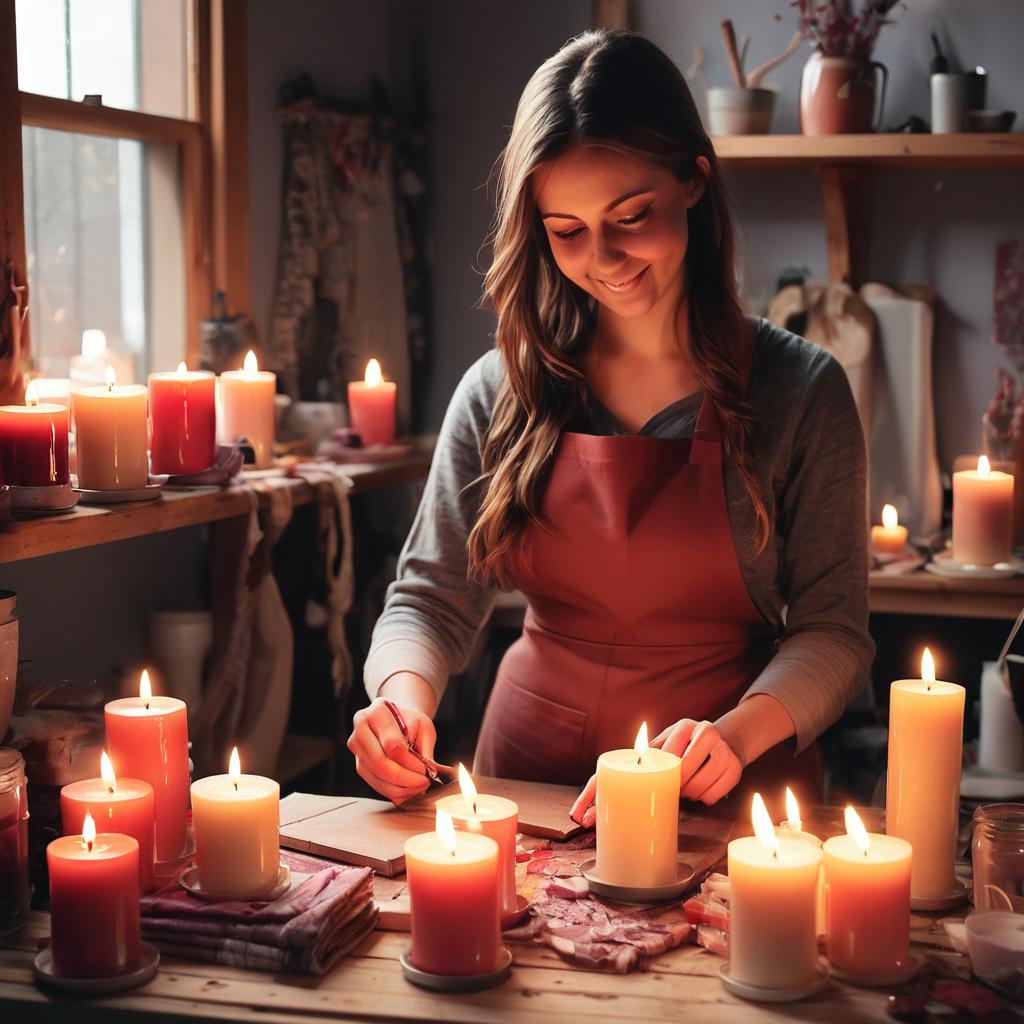
Candle mold design has a rich history that dates back centuries. From traditional techniques to innovative approaches, candle mold designers have been constantly evolving their craft. Exploring the origins of candle mold design allows us to understand the roots of this art form and how it has transformed over time.
One of the earliest candle molds can be traced back to ancient Egypt, where they used clay molds to create their candles. These molds were often decorated with intricate designs, showcasing the artistic skills of the craftsmen. As the centuries passed, candle mold design spread across different cultures and regions, each adding their unique touch to the craft.
With the advent of modern technology, candle mold design has experienced a revolution. The introduction of materials like silicone and flexible plastics has allowed designers to create molds with intricate details and complex shapes. This innovation has opened up a whole new world of possibilities for candle mold artists, pushing the boundaries of what can be achieved.
Today, candle mold designers draw inspiration from both the traditional and the contemporary. They blend the elegance of classic designs with the boldness of modern aesthetics, creating unique and captivating candle molds that are true works of art.
The Artistic Vision: How Candle Mold Designers Find Inspiration
Candle mold designers are driven by their artistic vision, constantly seeking inspiration in the world around them. They find beauty in nature, architecture, and even everyday objects, transforming these elements into stunning candle mold designs.
One source of inspiration for candle mold designers is the natural world. They draw from the intricate patterns of flowers, the graceful movements of animals, and the captivating colors of landscapes. By capturing the essence of nature in their candle molds, designers create pieces that evoke a sense of tranquility and harmony.
Architecture also plays a significant role in inspiring candle mold designers. The grandeur of historical buildings, the clean lines of modern structures, and the intricate details of artisanal craftsmanship all find their way into candle mold designs. These architectural elements bring a sense of sophistication and elegance to the finished products.
In addition to nature and architecture, candle mold designers often find inspiration in everyday objects. From vintage furniture to antique jewelry, mundane items can spark the imagination and lead to innovative candle mold designs. By reimagining these objects in wax, designers transform the ordinary into the extraordinary.
Ultimately, the artistic vision of candle mold designers is a reflection of their unique perspective and creative spirit. It is through their ability to see beauty in the world and translate it into candle mold designs that they captivate and inspire.
Behind the Scenes: The Creative Process of Crafting Unique Candle Molds
Crafting unique candle molds requires a combination of technical skill and artistic flair. Behind the scenes, candle mold designers go through a creative process that involves several stages, from ideation to the final product.
The first step in the creative process is brainstorming and ideation. Candle mold designers gather inspiration from various sources and start sketching their ideas on paper. They explore different shapes, sizes, and patterns, envisioning how these elements will come together to create a visually striking candle mold.
Once the initial concept is formed, designers move on to the prototyping stage. They create a physical model of the candle mold using materials like clay or wax. This prototype allows them to test their design, make adjustments, and ensure that the final product will meet their vision.
After the prototype is finalized, the actual production of the candle mold begins. Depending on the complexity of the design, this can involve various techniques such as pouring molten wax into a pre-made mold or carefully sculpting the mold by hand. Attention to detail is crucial at this stage to ensure that every element of the design is accurately replicated.
Once the candle mold is complete, it undergoes quality control measures to ensure its durability and functionality. Designers inspect the mold for any imperfections and make any necessary refinements. Only then is the candle mold considered ready for production.
The creative process of crafting unique candle molds is a labor of love for designers. It requires dedication, patience, and a keen eye for detail. Their passion for their craft shines through in every meticulously crafted mold, resulting in breathtaking works of art.
Challenges and Triumphs: Stories of Resilience and Creativity
The journey of candle mold designers is not without its challenges. From technical hurdles to creative blocks, designers often face obstacles that test their resilience and creativity. However, it is through these challenges that they discover new possibilities and achieve triumphs.
One of the main challenges faced by candle mold designers is the technical aspect of their craft. Working with different materials, mastering techniques, and ensuring the functionality of the molds can be a complex process. However, designers overcome these challenges through continuous learning and experimentation, honing their skills to perfection.
Another challenge that designers encounter is the pressure to constantly innovate and create something new. With a saturated market, standing out from the crowd can be a daunting task. However, designers embrace this challenge by pushing their creative boundaries and exploring unconventional ideas. It is through this experimentation that they discover unique designs that captivate audiences.
Despite the challenges, candle mold designers experience moments of triumph that make it all worthwhile. Seeing their designs come to life, receiving positive feedback from customers, and knowing that their work brings joy to others are all sources of immense satisfaction. These triumphs fuel their passion and inspire them to continue pushing the boundaries of their craft.
The stories of resilience and creativity from candle mold designers serve as a reminder that challenges are opportunities for growth. Through determination and a willingness to take risks, designers transform obstacles into stepping stones towards success.
Future Trends: The Evolution of Candle Mold Design in the Artistic World
As the artistic world continues to evolve, so does candle mold design. The future holds exciting possibilities for this art form, with emerging trends shaping the way designers approach their craft.
One of the trends that can be observed in candle mold design is the incorporation of sustainable materials. With a growing emphasis on environmental consciousness, designers are exploring eco-friendly options such as biodegradable materials and recycled plastics. This shift towards sustainability not only aligns with the values of the art community but also appeals to environmentally conscious consumers.
Another trend in candle mold design is the fusion of traditional and modern aesthetics. Designers are blending classic designs with contemporary elements, creating pieces that are both timeless and on-trend. This fusion allows for a diverse range of styles and appeals to a wider audience.
Technology also plays a significant role in shaping the future of candle mold design. Advancements in 3D printing and digital modeling have opened up new possibilities for designers to create intricate and complex molds. This integration of technology with traditional craftsmanship pushes the boundaries of what can be achieved in candle mold design.
The future of candle mold design is bright, with endless opportunities for innovation and creativity. As designers continue to explore new techniques, materials, and aesthetics, we can expect to see even more captivating and inspiring candle molds in the years to come.


