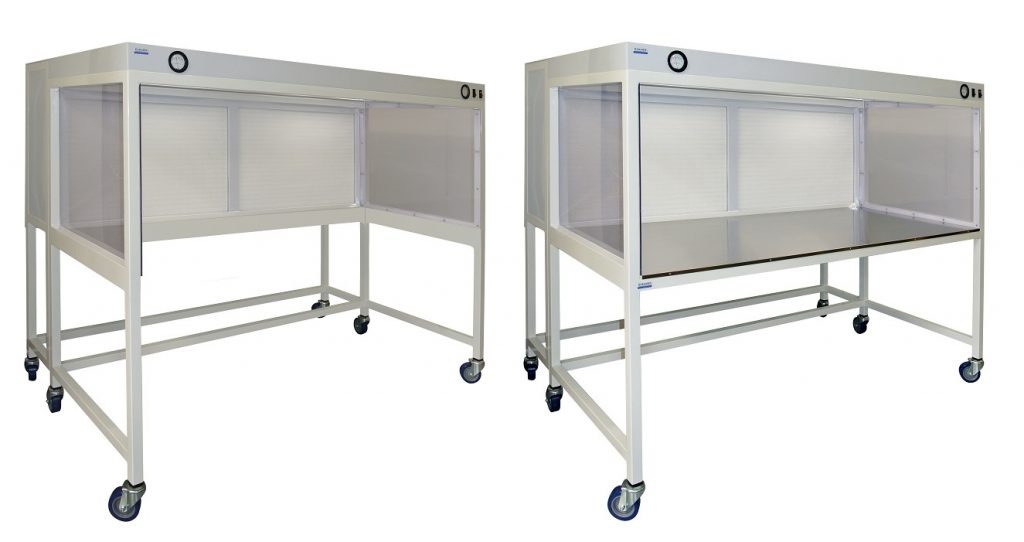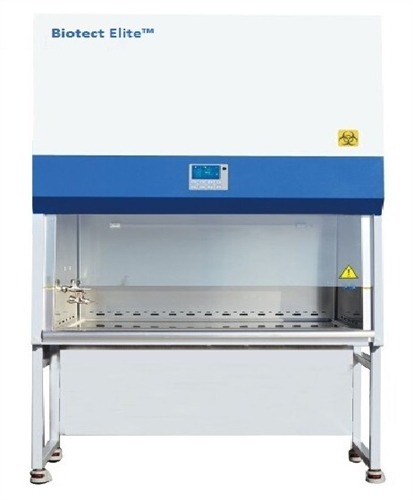
When you work with biological materials, protecting yourself, your samples, and the surrounding environment is essential. A Biosafety Cabinet (BSC) gives you a controlled workspace designed to reduce exposure to potentially hazardous biological agents while supporting clean laboratory procedures.
Choosing and using the right cabinet requires more than looking at size or appearance. You need to understand cabinet classifications, airflow patterns, filtration, applications, and operating practices. You also need to match the cabinet to the type of work you perform.
This guide explains the main types of biosafety cabinets, their uses, important safety features, and practical considerations you can follow when selecting and operating one.
What Is a Biosafety Cabinet?
A biosafety cabinet is an enclosed, ventilated laboratory workstation designed to provide containment when you handle biological materials. Depending on its class and configuration, it can protect the laboratory worker, the work material, or the surrounding environment.
Most biological safety cabinets use high-efficiency particulate air (HEPA) filtration to remove airborne particles from the airflow. The cabinet also uses controlled airflow to help prevent contaminated air from escaping into the laboratory.
You should remember that a biosafety cabinet is not simply a clean workbench. Its primary purpose is biological containment. You should therefore select a cabinet according to the hazards associated with your procedures rather than choosing one based only on available workspace.
Why Do You Need a Biosafety Cabinet?
If your laboratory work involves potentially infectious or biological materials, uncontrolled airflow can create unnecessary exposure risks. A properly selected and maintained cabinet helps establish a controlled working environment.
You can use a BSC to:
- Reduce personnel exposure to biological aerosols
- Protect cultures and samples from contamination
- Limit the release of potentially contaminated particles
- Support microbiological and biotechnology procedures
- Improve consistency during sensitive laboratory work
- Establish a dedicated containment workspace
However, you should not assume that every cabinet provides the same level of protection. Different classes are designed for different applications, so understanding the differences is critical.
Types of Biosafety Cabinets
Class I Biosafety Cabinet
A Class I cabinet primarily protects the laboratory worker and environment from biological hazards. Room air enters the front opening and passes over the work area before being exhausted through filtration.
This design can be useful when product protection is not the main requirement. You may consider a Class I cabinet for procedures that involve biological hazards but do not require a sterile working environment for the product.
Because the airflow moves across the work surface, it does not provide the same product protection as a Class II cabinet.
Class II Biosafety Cabinet
Class II cabinets are widely used because they can provide personnel, environmental, and product protection when properly designed, installed, operated, and maintained.
Air enters through the front opening and moves through a controlled airflow system. Filtered air is also supplied to the work area, helping reduce contamination of samples.
Class II cabinets have several configurations, including commonly recognized types such as A1, A2, B1, and B2. These configurations differ in airflow patterns and exhaust arrangements.
You should choose the specific Class II configuration based on your biological procedures, chemical use, facility exhaust requirements, and applicable safety standards.
Class III Biosafety Cabinet
Class III cabinets provide the highest level of containment among the major BSC classes. They are designed as gas-tight enclosures and typically involve a physically enclosed work area.
You work with materials through attached gloves or glove ports rather than directly reaching into an open front workspace.
Class III systems are intended for specialized applications involving high-risk biological materials and require careful facility planning, installation, and operational controls.
Common Uses of Biosafety Cabinets
You can find biosafety cabinets in many research, healthcare, pharmaceutical, biotechnology, and academic environments. Their applications vary according to the cabinet classification and laboratory requirements.
Microbiological Research
When you handle cultures, microorganisms, or other biological materials, a suitable BSC can provide controlled containment. It can help reduce the movement of biological aerosols into the laboratory.
Cell Culture
Cell culture work often requires both contamination control and personnel protection. A suitable Class II cabinet can provide a controlled workspace for appropriate cell culture procedures.
Pharmaceutical and Biotechnology Work
Research and production laboratories may use biosafety cabinets for procedures involving biological materials, samples, and cultures. You should evaluate the exact process and materials before selecting the cabinet.
Clinical and Diagnostic Procedures
Laboratories performing certain diagnostic or microbiological procedures may use BSCs to reduce occupational exposure and help contain biological aerosols.
Research and Development
If you develop new biological processes, a BSC can provide a dedicated workspace for appropriate laboratory procedures. You should still perform a risk assessment before beginning unfamiliar or higher-risk work.
Key Safety Features to Look For
When you evaluate a biosafety cabinet, focus on safety features rather than appearance alone.
HEPA Filtration
HEPA filters are a major component of many BSC designs. They help remove airborne particles from the cabinet airflow.
You should understand that HEPA filtration does not automatically make every chemical or biological process safe. The filter’s capabilities, cabinet design, and your specific procedure all matter.
Controlled Airflow
Proper airflow is fundamental to cabinet performance. The system must maintain the intended airflow pattern so contaminated air is appropriately contained and filtered.
Avoid blocking front or rear grilles because doing so can disrupt airflow and compromise cabinet performance.
Audible and Visual Alarms
Modern cabinets may include alarms that alert you to conditions such as inadequate airflow or sash-position problems. These alerts can help you respond before operating conditions become unsafe.
Sash and Access Controls
The front sash or access opening plays an important role in maintaining the intended airflow. You should always operate the cabinet at the manufacturer’s specified sash position.
Durable Work Surface
A smooth, chemical-resistant work surface makes cleaning easier and supports routine laboratory procedures. Before selecting a cabinet, verify that its construction materials are compatible with your cleaning agents and workflow.
Ergonomic Design
You may spend long periods working inside the cabinet, so ergonomics matter. Consider the working height, viewing area, lighting, access controls, and available workspace.
A comfortable workstation can reduce unnecessary reaching and awkward movements during repetitive procedures.
How to Choose the Right Biosafety Cabinet
Start by identifying the materials and procedures you will handle. Ask yourself what hazards are present and what type of protection you need.
1. Assess Your Biological Hazards
Identify the biological agents, samples, cultures, or materials involved. Your risk assessment should guide the containment requirements.
2. Determine the Required Protection
Decide whether you need personnel protection, product protection, environmental protection, or a combination. This helps narrow your choice of cabinet class.
3. Consider Chemical Use
Do not assume a standard BSC is suitable for volatile toxic chemicals. HEPA filters are designed primarily for particulate removal, not general chemical vapor control.
If your procedures involve hazardous chemicals, evaluate whether a chemical fume hood or another appropriately engineered system is required.
4. Check Your Laboratory Space
Measure the available installation area before ordering a cabinet. Consider clearance, electrical requirements, exhaust requirements, service access, doorways, and laboratory workflow.
5. Review Certification Requirements
A biosafety cabinet should be properly certified according to applicable standards and facility requirements. Certification verifies that important performance characteristics are functioning within required specifications.
You should also schedule appropriate recertification after installation, relocation, major maintenance, or other events that could affect performance.
Safe Operating Practices
Even the best cabinet cannot compensate for poor operating practices. Before beginning work, inspect the cabinet and confirm that it is operating normally.
Keep the work area organized without overcrowding it. Arrange materials so you can work from clean areas toward potentially contaminated areas where appropriate.
Avoid rapid arm movements through the front opening. Sudden movements can disturb the intended airflow pattern.
Do not use open flames inside a biosafety cabinet unless specifically permitted by the manufacturer and your laboratory’s safety procedures. Flames can create heat, turbulence, and other risks.
Clean and disinfect surfaces according to your laboratory’s procedures and the manufacturer’s recommendations. Use appropriate disinfectants and observe the required contact time.
When a procedure is complete, remove materials using your established decontamination and waste-handling procedures.
Maintenance and Certification Matter
Routine maintenance is essential for reliable cabinet performance. Filters, airflow systems, alarms, electrical components, and other parts require appropriate inspection and servicing.
You should never attempt to modify a BSC’s airflow system without qualified technical support. Changes can affect containment and invalidate performance assumptions.
Keep records of certification, maintenance, repairs, filter changes, and relevant inspections. These records can help you demonstrate that the cabinet is being managed as part of your laboratory safety program.
For laboratory equipment, sourcing from a knowledgeable supplier can also simplify product selection and technical support. You can explore reliable laboratory equipment solutions from Global Lab Supply when comparing equipment for your facility.
If you need help determining which cabinet configuration may fit your laboratory requirements, use expert laboratory equipment support and product guidance before making a purchase.
Biosafety Cabinet vs. Laminar Flow Hood
You should not treat a biosafety cabinet and laminar flow hood as interchangeable equipment.
A laminar flow hood is generally designed to protect the product or work area from contamination. A biosafety cabinet is designed around biological containment and, depending on its class, can provide personnel and environmental protection as well.
Before selecting either system, identify what you need to protect. If personnel protection from biological hazards is required, a properly selected BSC is generally the more appropriate type of equipment.
Common Mistakes to Avoid
You can improve safety by avoiding several common mistakes:
- Choosing a cabinet without completing a risk assessment
- Blocking airflow grilles with equipment or supplies
- Working outside the manufacturer’s specified sash position
- Overloading the work surface
- Ignoring cabinet alarms
- Using unsuitable chemicals inside the cabinet
- Skipping required certification
- Moving a cabinet without appropriate recertification
- Treating a BSC as a substitute for all laboratory safety controls
- Failing to follow your facility’s biosafety procedures
A cabinet is one component of a broader safety system. You should combine it with appropriate personal protective equipment, training, disinfection procedures, waste management, and institutional biosafety practices.
Final Thoughts
Selecting a biosafety cabinet becomes easier when you start with your actual laboratory requirements. Identify the biological hazards, determine the protection you need, evaluate chemical use, review your available space, and consider installation and certification requirements.
Once installed, operate the cabinet according to the manufacturer’s instructions and your laboratory’s established procedures. Regular maintenance, certification, cleaning, and correct workflow help you maintain reliable performance.
If you are comparing laboratory equipment for a new facility or upgrading an existing workspace, review biosafety cabinet solutions for laboratory applications and consider your long-term operational requirements before choosing a model. For product questions, specifications, or assistance with your requirements, you can also use Contact Us for laboratory equipment assistance.
Frequently Asked Questions
1. What is the main purpose of a biosafety cabinet?
A biosafety cabinet provides a controlled workspace for handling appropriate biological materials. Depending on its class and configuration, it can help protect laboratory personnel, work materials, and the environment from biological hazards and airborne contamination.
2. Which biosafety cabinet is most commonly used?
Class II biosafety cabinets are widely used because they can provide personnel, product, and environmental protection for many appropriate biological procedures. The correct configuration depends on your risk assessment, workflow, materials, and facility requirements.
3. Can you use chemicals inside a biosafety cabinet?
You should not assume that a BSC is suitable for hazardous chemical vapors. HEPA filtration primarily addresses airborne particles. If your procedure involves volatile or toxic chemicals, evaluate an appropriately designed chemical fume-control system.
4. How often should a biosafety cabinet be certified?
Certification frequency depends on applicable standards, institutional requirements, and the cabinet’s use. Certification is also typically required after installation, relocation, major maintenance, or other events that could affect performance.
5. Can a biosafety cabinet replace personal protective equipment?
No. A biosafety cabinet is an engineering control, while personal protective equipment provides another layer of protection. You should follow your laboratory’s risk assessment and use the required gloves, protective clothing, eye protection, and other PPE.