When you work with strong acids in a laboratory, protecting your team, equipment, and experiments should always be a priority. Acid fumes can corrode metal surfaces, damage sensitive instruments, and create unsafe working conditions if they are not properly contained. Choosing the right laboratory ventilation system makes a significant difference in both safety and long-term operational efficiency.
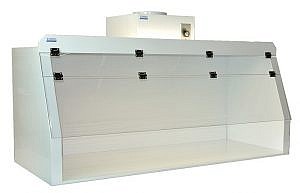
A polypropylene fume hood stands out because it is specifically designed to withstand highly corrosive chemicals that quickly degrade conventional metal hoods. If your laboratory regularly handles hydrochloric acid, sulfuric acid, nitric acid, or other aggressive chemicals, understanding why polypropylene is the preferred material will help you make a smarter investment.
Why Does Material Selection Matter for Acid Applications?
Not every laboratory fume hood is built to handle corrosive environments. Stainless steel and painted metal hoods may perform well for general laboratory work, but repeated exposure to acid vapors eventually causes corrosion, surface damage, and expensive maintenance.
Polypropylene offers exceptional chemical resistance because it is a non-metallic thermoplastic that does not rust or corrode when exposed to many laboratory acids. Instead of deteriorating over time, it maintains its structural integrity even in demanding laboratory conditions.
Choosing the proper material allows you to improve laboratory safety while reducing replacement costs.
How Does Polypropylene Resist Corrosive Chemicals?
One of the biggest advantages of polypropylene is its outstanding resistance to a wide range of aggressive chemicals.
When acid vapors contact metal surfaces, oxidation begins almost immediately. Over time, this process weakens the equipment and creates contamination risks. Polypropylene eliminates this concern because the material itself is naturally resistant to corrosion.
This chemical resistance helps you:
- Protect laboratory equipment from acid damage
- Maintain a cleaner working environment
- Reduce contamination risks
- Extend equipment lifespan
- Lower maintenance expenses
For laboratories performing daily acid digestion, chemical synthesis, analytical testing, or sample preparation, these advantages become even more valuable.
Why Is a Polypropylene Fume Hood Better Than Metal Alternatives?
Although traditional metal fume hoods remain common, they are not always the best solution for corrosive chemical applications.
A polypropylene construction provides several advantages, including:
- Excellent resistance to harsh acids
- Lightweight yet durable construction
- No rust formation
- Lower maintenance requirements
- Long service life
- Smooth surfaces that are easy to clean
If your laboratory frequently handles corrosive reagents, choosing a Polypropylene Fume Hood for corrosive laboratory acid applications can provide better long-term value than conventional metal systems.
How Does It Improve Laboratory Safety?
Your primary goal should always be protecting laboratory personnel from hazardous chemical exposure.
A properly designed polypropylene fume hood captures harmful acid vapors before they enter the breathing zone. Combined with an effective exhaust system, this significantly reduces airborne exposure.
Additional safety benefits include:
- Better containment of hazardous fumes
- Reduced exposure to toxic vapors
- Improved indoor laboratory air quality
- Enhanced compliance with laboratory safety protocols
- Greater confidence during chemical handling
Safer workspaces also contribute to better productivity because researchers can focus on their work without unnecessary exposure risks.
Which Laboratories Benefit Most?
Polypropylene fume hoods are widely used across industries where corrosive chemicals are handled regularly.
These laboratories commonly benefit:
- Chemical research laboratories
- Pharmaceutical facilities
- Biotechnology laboratories
- University research centers
- Environmental testing laboratories
- Semiconductor manufacturing facilities
- Industrial quality control laboratories
- Water treatment laboratories
If your facility performs acid digestion, wet chemistry, or corrosive chemical processing, polypropylene construction is often the preferred option.
How Does Polypropylene Reduce Maintenance Costs?
Laboratory equipment represents a significant investment. Frequent repairs and premature replacements increase operational costs.
Since polypropylene resists corrosion naturally, you spend less time dealing with damaged panels, rust removal, repainting, or structural repairs.
This results in:
- Fewer maintenance interruptions
- Longer equipment lifespan
- Lower repair expenses
- Improved equipment reliability
- Better return on investment
Over several years, these savings can outweigh the initial purchase cost.
What Features Should You Consider?
Before selecting a polypropylene fume hood, evaluate features that support both safety and efficiency.
Look for:
- Chemical-resistant polypropylene construction
- High-performance exhaust airflow
- Durable work surfaces
- Proper sash design
- Bright LED lighting
- Ergonomic workspace
- Easy maintenance access
- Compliance with laboratory safety standards
Selecting the right configuration ensures your laboratory remains productive while meeting operational requirements.
To explore a chemical-resistant Polypropylene Fume Hood for laboratory acid handling and corrosive chemical protection, visit Polypropylene Fume Hood from CleaTech LLC to review available solutions designed for demanding laboratory environments.
Why Should You Choose a Reliable Manufacturer?
The performance of your laboratory ventilation system depends on both design quality and manufacturing expertise.
Working with an experienced manufacturer ensures you receive equipment engineered for chemical resistance, airflow performance, durability, and long-term reliability.
CleaTech LLC provides laboratory equipment designed to support controlled environments across research, pharmaceutical, biotechnology, semiconductor, and industrial applications. Their expertise helps laboratories choose solutions that align with specific operational and safety requirements.
If you’re planning to upgrade your laboratory ventilation system or need expert guidance for corrosive chemical applications, Contact us today to discuss the most suitable solution for your laboratory.
Conclusion
If your laboratory routinely handles corrosive acids, investing in a polypropylene fume hood is a practical decision that improves safety, durability, and operational efficiency. Its superior resistance to chemical corrosion, low maintenance requirements, and reliable containment performance make it an excellent choice for demanding laboratory environments.
Rather than replacing corroded equipment every few years, you can invest in a solution built specifically for acid applications. By selecting a high-quality polypropylene fume hood, you create a safer workplace while protecting valuable laboratory assets for years to come.
Frequently Asked Questions
Why is polypropylene preferred for acid fume hoods?
Polypropylene resists corrosion from many strong acids, making it more durable than metal in corrosive laboratory environments.
Which acids can be used inside a polypropylene fume hood?
It is commonly used with hydrochloric acid, sulfuric acid, nitric acid, phosphoric acid, and many other corrosive laboratory chemicals.
Are polypropylene fume hoods suitable for pharmaceutical laboratories?
Yes. They are widely used in pharmaceutical, biotechnology, chemical research, and quality control laboratories handling corrosive substances.
Does a polypropylene fume hood require less maintenance?
Yes. Because it does not rust or corrode easily, routine maintenance and repair costs are generally lower than with metal fume hoods.
How do you choose the right polypropylene fume hood?
Consider chemical compatibility, airflow performance, hood size, laboratory workflow, safety features, and the reputation of the manufacturer before making your selection.