Protecting Educational Spaces: The Vital Role of CCTV Installation in Schools
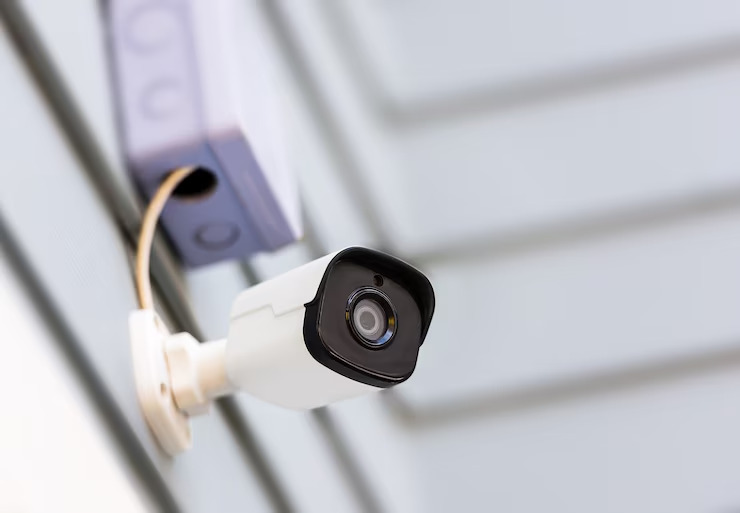
In recent years, ensuring the safety and security of educational institutions has become a top priority for educators, parents, and policymakers alike. Closed Circuit Television (CCTV) installation has emerged as a critical component of school security systems, providing monitoring, deterrence, and evidence collection capabilities to help safeguard students, staff, and facilities. In this guest post, we’ll explore the vital role of CCTV installation in protecting educational spaces and promoting a safe learning environment for all.
Enhancing Campus Safety:
CCTV installation plays a crucial role in enhancing campus safety by providing continuous monitoring of school premises and surrounding areas. Strategically placed cameras enable security personnel to monitor entrances, hallways, parking lots, and other key locations in real-time, helping to deter unauthorized individuals from entering the premises and promptly detect any security threats or suspicious activities.
Preventing Incidents and Bullying:
One of the primary benefits of CCTV installation in schools is its ability to deter and prevent incidents of bullying, vandalism, and other disruptive behaviors. The presence of cameras acts as a deterrent to would-be offenders, reducing the likelihood of misconduct and promoting positive behavior among students. Additionally, CCTV footage can provide valuable evidence in investigations of disciplinary incidents, helping school administrators address issues effectively and hold accountable those responsible for disruptive behavior.
Monitoring Campus Access and Visitor Management:
CCTV cameras play a key role in monitoring campus access points and managing visitor traffic, thereby enhancing overall security measures. By capturing images of individuals entering and exiting school premises, CCTV systems enable security personnel to verify the identity of visitors, monitor visitor behavior, and ensure compliance with school policies and procedures. This helps prevent unauthorized access and promotes a safe and secure learning environment for students and staff.
Emergency Response and Crisis Management:
In the event of an emergency or crisis situation, CCTV installation provides valuable support to school administrators and first responders. Real-time monitoring of CCTV footage enables authorities to quickly assess the situation, identify potential threats, and coordinate an effective response. Additionally, CCTV cameras can help track the movement of individuals during emergencies, facilitate evacuation procedures, and provide critical information to emergency responders to aid in their efforts to mitigate the situation and ensure the safety of everyone on campus.
Building Trust and Confidence:
Investing in CCTV installation demonstrates a commitment to the safety and well-being of students, staff, and visitors, helping to build trust and confidence within the school community. By transparently communicating the purpose and benefits of CCTV surveillance, school administrators can reassure parents and stakeholders that their children are in a secure environment conducive to learning and personal development.
Conclusion:
In an era marked by growing concerns about school safety and security, CCTV installation has become an indispensable tool for protecting educational spaces and promoting a safe learning environment for all. By enhancing campus safety, preventing incidents of misconduct, monitoring access and visitor management, supporting emergency response efforts, and building trust within the school community, CCTV systems play a vital role in safeguarding the well-being of students, staff, and visitors. As schools continue to prioritize safety and security, investing in CCTV installation remains essential for ensuring the long-term safety and success of educational institutions.