
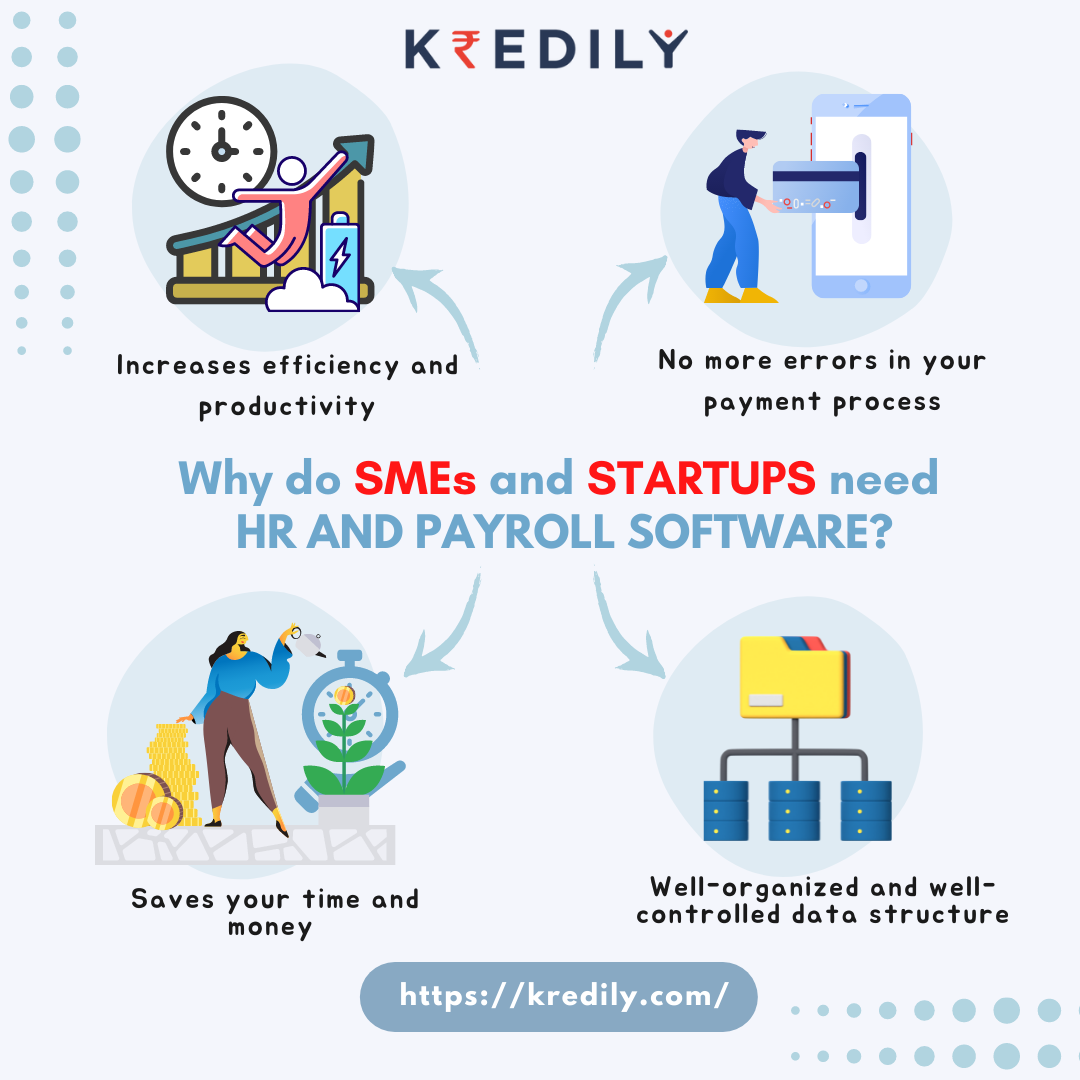
Managing payroll is an essential function for any business, large or small. It’s not just about paying employees; it involves intricate calculations, compliance with tax regulations, and record-keeping. Handling payroll manually can be time-consuming and prone to errors, which is why payroll software has become a crucial tool for organizations. In this blog, we’ll delve into the world of payroll software, exploring its key features and the transformative benefits it brings to the world of payroll management.
The Challenges of Manual Payroll Processing
Before we dive into the advantages of payroll software, let’s consider some of the challenges associated with manual payroll processing:
- Time-Consuming: Manually calculating and processing payroll is a time-intensive task, particularly for businesses with a significant number of employees.
- Error-Prone: Human errors in data entry, calculations, or tax withholdings can lead to discrepancies, causing issues with employee paychecks and compliance.
- Compliance Complexities: Staying up to date with constantly changing tax laws and regulations can be daunting and risky if not handled accurately.
- Data Security: Safeguarding sensitive employee information is crucial, and manual systems can lack the robust security measures that payroll software offers.
- Lack of Reporting and Analysis: Manual systems often lack the capacity to generate comprehensive reports and analytics that can provide insights into labor costs and trends.
The Benefits of Payroll Software
- Accuracy and Efficiency: Software for payroll automates calculations, reducing the risk of errors in wage calculations, deductions, and tax withholdings. This results in more accurate paychecks and saves time.
- Time Savings: Automating payroll processes significantly reduces the time and effort required to complete payroll tasks, freeing up HR and finance personnel to focus on other strategic activities.
- Tax Compliance: Payroll software is designed to stay current with tax laws and regulations. It calculates and withholds the correct amount of taxes, reducing the risk of penalties and fines.
- Employee Self-Service: Many payroll systems offer employee self-service portals where employees can access pay stubs, tax forms, and update personal information, reducing HR’s administrative workload.
- Direct Deposit: Facilitating direct deposit ensures employees receive their paychecks on time without the need for paper checks.
- Customization: Payroll software can be tailored to your business’s unique needs, accommodating various pay rates, deductions, and benefits.
- Reporting and Analysis: Generate comprehensive reports that provide insights into labor costs, trends, and historical payroll data, which can inform strategic decision-making.
- Security: Payroll software typically includes robust security features to protect sensitive payroll and employee data.
- Integration: It can seamlessly integrate with other HR and finance systems, creating a cohesive ecosystem for managing employee compensation and financial data.
Conclusion
Payroll software is a game-changer for businesses of all sizes. It not only simplifies the complex payroll process but also ensures accuracy, compliance, and security. As businesses evolve in the digital age, adopting payroll software is no longer just a convenience; it’s a strategic imperative. By automating payroll management, organizations can focus on what truly matters – their core operations and the well-being of their employees. It’s time to embrace the power of payroll software and experience the efficiency, accuracy, and peace of mind it brings to your organization.


