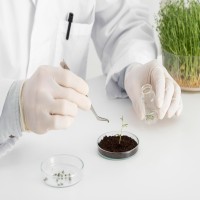
In the modern world of agriculture, there’s an increasing demand for sustainable and eco-friendly farming practices. In response to this need, organic plant growth promoters have gained prominence as valuable tools to enhance crop productivity while adhering to environmentally friendly principles. In this article, we’ll explore the concept of organic plant growth promoter, their benefits, and their role in fostering sustainable agriculture.
The Essence of Organic Plant Growth Promoters
Organic plant growth promoters are natural or naturally derived substances that stimulate and support plant growth and development through organic and sustainable methods. They work in harmony with nature, encouraging plants to express their full potential without the use of synthetic chemicals or genetically modified organisms (GMOs).
The Power of Organic Plant Growth Promoters
- Plant Growth Enhancement: Organic plant growth promoters contain bioactive compounds, such as plant hormones, amino acids, and vitamins, that stimulate plant growth. They promote root development, increase biomass, and enhance overall plant vigor.
- Nutrient Efficiency: These promoters improve the uptake and utilization of nutrients by plants. By enhancing nutrient absorption and nutrient translocation within the plant, they contribute to increased yields.
- Stress Tolerance: In a changing climate, plants often face environmental stressors like drought, heat, and salinity. Organic growth promoters aid plants in coping with these challenges by inducing the production of stress-resistance proteins and antioxidants.
- Disease Resistance: Some organic growth promoters contain compounds that activate the plant’s natural defense mechanisms, leading to increased resistance against diseases and pests.
Types of Organic Plant Growth Promoters
- Organic Plant Extracts: Extracts from various plants, such as seaweed, neem, and alfalfa, are used as organic growth promoters. They contain a range of bioactive compounds that enhance plant growth and stress tolerance.
- Organic Fertilizers: Organic fertilizers, like compost and manure, are rich in organic matter and nutrients. They not only provide essential nutrients to plants but also improve soil structure and microbial activity.
- Beneficial Microorganisms: Organic growth promoters may contain beneficial microorganisms like mycorrhizal fungi and rhizobacteria. These microbes form symbiotic relationships with plant roots, improving nutrient uptake and disease resistance.
Environmental and Economic Benefits
The use of organic plant growth promoters offers numerous advantages for both the environment and farmers:
- Reduced Chemical Dependency: By reducing the need for synthetic fertilizers and pesticides, organic growth promoters minimize environmental pollution and promote healthier ecosystems.
- Enhanced Soil Health: The organic matter and microbial activity promoted by these promoters enhance soil structure and fertility, contributing to long-term soil health.
- Resource Efficiency: Organic growth promoters help farmers achieve higher crop yields with fewer resources, making agriculture more sustainable and cost-effective.
Conclusion
Organic plant growth promoters are key players in the movement toward sustainable and eco-friendly agriculture. Their ability to enhance plant growth, improve nutrient utilization, and bolster stress tolerance while reducing chemical dependency makes them invaluable tools for modern farming. As we strive to meet the global demand for food while preserving our planet’s resources, organic growth promoters stand as a testament to our commitment to a greener and more sustainable future for food production.