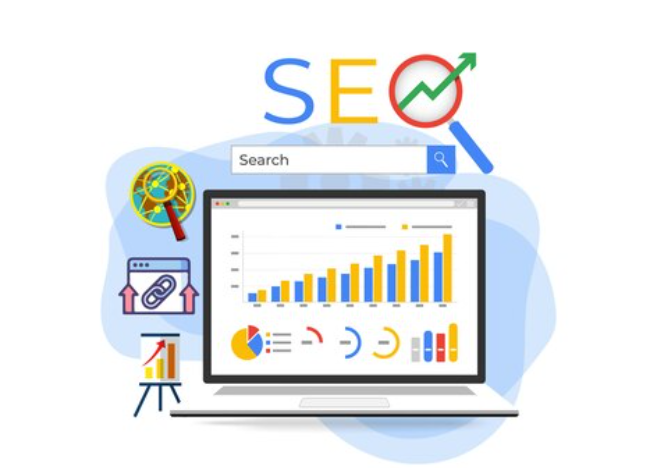
Search engine optimization is one of the most effective digital marketing strategies for increasing online visibility, driving qualified traffic, and generating long-term business growth. However, many businesses invest in SEO without fully understanding how to evaluate its effectiveness. Measuring SEO success requires tracking the right performance indicators that demonstrate how optimization efforts contribute to website growth, user engagement, lead generation, and revenue.
Professional SEO campaigns focus on measurable outcomes rather than assumptions. By monitoring key metrics consistently, businesses can identify strengths, uncover opportunities, and make data-driven decisions that improve overall marketing performance. Whether you are a small local business, an eCommerce store, or a national brand, understanding SEO metrics helps ensure your investment produces meaningful results.
At JDM SEO Services, performance tracking is an essential part of every SEO strategy. Comprehensive reporting and analytics help businesses understand how SEO initiatives impact visibility, traffic, conversions, and return on investment.
Why Measuring SEO Success Matters
SEO is a long-term strategy that requires continuous optimization. Unlike paid advertising, where results are immediate and easily measurable, SEO performance develops gradually over time. Tracking key metrics allows businesses to:
- Evaluate campaign effectiveness
- Identify growth opportunities
- Understand user behavior
- Improve conversion performance
- Justify marketing investments
- Measure return on investment
- Optimize future SEO strategies
Without proper measurement, businesses may overlook valuable insights that could improve rankings, traffic, and conversions.
Organic Traffic Growth
Organic traffic is one of the most important SEO performance indicators. It measures the number of visitors arriving at your website through unpaid search engine results.
When SEO campaigns are successful, organic traffic generally increases over time because your website gains greater visibility for relevant search queries.
Businesses should monitor:
- Total organic visitors
- New organic users
- Returning organic visitors
- Organic traffic trends
- Traffic by landing page
- Traffic by location
- Mobile versus desktop traffic
Consistent growth in organic traffic often indicates that SEO efforts are improving search visibility and attracting relevant users.
Businesses looking for sustainable traffic growth often partner with JDM SEO Services to develop customized optimization strategies that increase qualified organic visitors.
Keyword Rankings
Keyword rankings remain one of the most widely tracked SEO metrics. Rankings show where your website appears in search engine results for targeted search terms.
Tracking keyword positions helps businesses understand:
- Which keywords generate visibility
- Ranking improvements over time
- Competitive performance
- Emerging opportunities
- Content effectiveness
Important ranking metrics include:
- Top 3 rankings
- Top 10 rankings
- Top 20 rankings
- Featured snippets
- Local Pack placements
- AI Overview visibility
- Voice search rankings
While rankings alone do not guarantee success, they provide valuable insights into search performance.
Organic Click-Through Rate (CTR)
Click-through rate measures the percentage of users who click on your listing after seeing it in search results.
Formula:
CTR = Clicks ÷ Impressions × 100
A higher CTR often indicates:
- Relevant page titles
- Compelling meta descriptions
- Strong search intent alignment
- Improved brand recognition
Improving CTR can significantly increase website traffic even without major ranking improvements.
Search Impressions
Impressions represent how often your website appears in search results.
Growing impressions indicate:
- Increased keyword visibility
- Expanded search coverage
- Improved indexing
- Better content relevance
When impressions rise but clicks remain flat, businesses may need to optimize titles, descriptions, and search snippets to improve CTR.
Organic Conversion Rate
Traffic alone does not determine SEO success. Businesses should focus on conversions generated through organic search.
Conversions may include:
- Contact form submissions
- Phone calls
- Quote requests
- Purchases
- Newsletter signups
- Appointment bookings
- Demo requests
Formula:
Conversion Rate = Conversions ÷ Total Visitors × 100
Tracking conversion rates helps determine whether SEO is attracting qualified users who take meaningful actions.
Revenue Generated From Organic Traffic
For businesses focused on growth and profitability, revenue is often the most valuable SEO metric.
Revenue tracking helps measure:
- SEO return on investment
- Lead quality
- Sales performance
- Customer acquisition effectiveness
Businesses should connect analytics platforms with CRM systems to accurately attribute revenue to SEO-generated visitors.
Return on Investment (ROI)
SEO ROI measures the profitability of your optimization efforts.
Formula:
SEO ROI = (Revenue from SEO – SEO Cost) ÷ SEO Cost × 100
Positive ROI demonstrates that SEO is generating more value than it costs.
Benefits of measuring SEO ROI include:
- Budget justification
- Strategic planning
- Marketing performance comparison
- Long-term growth forecasting
Bounce Rate
Bounce rate measures the percentage of users who leave a website without interacting further.
A high bounce rate may indicate:
- Poor user experience
- Slow page speed
- Weak content relevance
- Poor mobile usability
- Mismatched search intent
Monitoring bounce rates helps businesses identify pages that need optimization.
User Engagement Metrics
Modern SEO success extends beyond rankings and traffic. Search engines increasingly evaluate user engagement signals.
Important engagement metrics include:
Average Engagement Time
Measures how long users actively interact with content.
Pages Per Session
Shows how many pages visitors view during a session.
Scroll Depth
Tracks how far users read through content.
Session Duration
Measures the total time spent on a website.
Higher engagement often indicates valuable content and positive user experiences.
Backlink Growth and Quality
Backlinks remain a significant ranking factor.
Businesses should monitor:
- Total backlinks
- Referring domains
- Authority of linking websites
- New backlinks acquired
- Lost backlinks
- Anchor text distribution
Quality backlinks from authoritative websites can significantly improve search visibility and domain authority.
Domain Authority and Website Authority Metrics
Although not official Google ranking factors, authority metrics help assess website strength.
These indicators often reflect:
- Link profile quality
- Brand credibility
- Competitive positioning
- Long-term SEO progress
Authority growth often correlates with improved ranking potential.
Local SEO Performance Metrics
For local businesses, local search visibility is critical.
Important local SEO metrics include:
Google Business Profile Views
Track visibility in local search results.
Local Pack Rankings
Monitor placement in map-based search results.
Direction Requests
Measure how many users seek business locations.
Phone Calls
Track customer inquiries generated from local listings.
Customer Reviews
Monitor review quantity, quality, and ratings.
These metrics help local businesses evaluate geographic search performance.
Mobile SEO Performance
Since most searches now occur on mobile devices, tracking mobile performance is essential.
Important metrics include:
- Mobile traffic
- Mobile conversions
- Mobile bounce rates
- Mobile rankings
- Core Web Vitals
- Mobile usability scores
Strong mobile performance contributes significantly to overall SEO success.
Core Web Vitals
Google uses Core Web Vitals to evaluate user experience.
Key metrics include:
Largest Contentful Paint (LCP)
Measures loading performance.
Interaction to Next Paint (INP)
Measures responsiveness.
Cumulative Layout Shift (CLS)
Measures visual stability.
Optimizing these metrics can improve both rankings and user satisfaction.
AI Search Visibility Metrics
As AI-powered search experiences become more common, businesses should monitor visibility across emerging search environments.
Important AI-related metrics include:
- AI Overview appearances
- Generative search citations
- Brand mentions
- Entity recognition
- Conversational search visibility
- Semantic relevance signals
These indicators help businesses adapt to evolving search technologies.
Geographic Performance Metrics (GEO Optimization)
Geographic Engine Optimization (GEO) focuses on visibility within specific locations.
Track:
- Traffic by city
- Traffic by region
- Local keyword rankings
- Regional conversions
- Location-specific landing page performance
These metrics help businesses strengthen regional search visibility and customer acquisition efforts.
Content Performance Metrics
Content remains the foundation of SEO success.
Monitor:
- Top-performing pages
- Organic pageviews
- Keyword coverage
- Featured snippet wins
- Content engagement
- Content conversion rates
Content performance data helps prioritize future optimization efforts.
Building a Data-Driven SEO Strategy
Successful SEO measurement requires looking beyond a single metric. Businesses should evaluate performance holistically by combining visibility, traffic, engagement, conversions, and revenue data.
The most effective SEO campaigns track:
- Organic traffic
- Keyword rankings
- CTR
- Impressions
- Conversions
- Revenue
- ROI
- User engagement
- Backlinks
- Core Web Vitals
- Local SEO performance
- AI search visibility
By analyzing these metrics together, businesses gain a complete understanding of SEO effectiveness and can make informed decisions that support sustainable growth.
If you’re ready to implement a data-driven SEO strategy that focuses on measurable results, visit JDM SEO Services to learn more about customized optimization solutions. For personalized guidance and performance-focused SEO strategies, Contact Us today.
Frequently Asked Questions
What is the most important metric for SEO success?
There is no single metric that defines SEO success. Most businesses should focus on a combination of organic traffic, keyword rankings, conversions, and revenue generated from organic search.
How long does it take to see measurable SEO results?
Many businesses begin seeing improvements within three to six months, although competitive industries may require longer timeframes.
Why are conversions more important than rankings?
Rankings increase visibility, but conversions generate business value. A lower-ranked keyword that produces leads can be more valuable than a top-ranked keyword that generates no conversions.
How often should SEO metrics be reviewed?
Most businesses benefit from monthly SEO reporting, while larger organizations may monitor performance weekly.
What tools are commonly used to track SEO performance?
Popular tools include Google Analytics, Google Search Console, keyword tracking software, backlink analysis platforms, and CRM systems.
Can SEO ROI be accurately measured?
Yes. By tracking conversions, revenue, and campaign costs, businesses can calculate SEO ROI and evaluate the profitability of their optimization efforts.
What role do Core Web Vitals play in SEO?
Core Web Vitals help measure user experience and can influence rankings by evaluating loading speed, responsiveness, and visual stability.
Why is local SEO tracking important?
Local SEO metrics help businesses understand how effectively they appear in geographic search results and attract nearby customers.