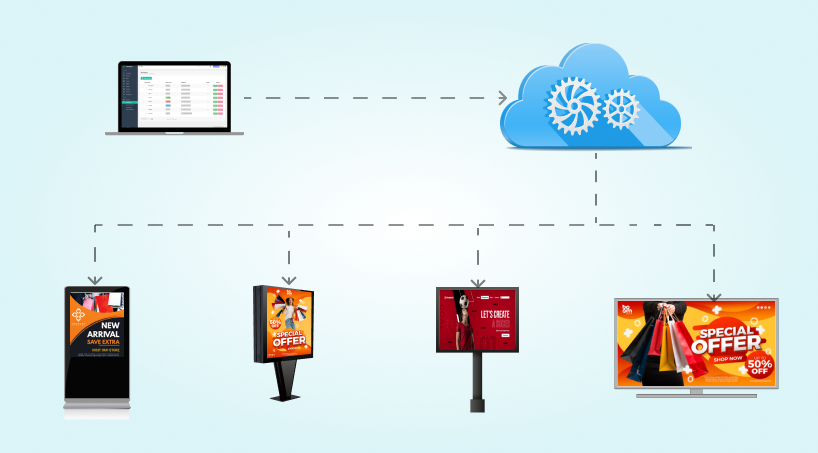
In the rapidly evolving world of retail, staying competitive and engaging customers effectively has become more challenging than ever before. Brick-and-mortar stores are constantly seeking innovative ways to captivate their audience and boost sales. One such innovation is the use of digital signage, a powerful tool that allows retailers to deliver dynamic content and enhance the in-store experience. To manage and control these digital displays efficiently, on-premise digital signage CMS software plays a vital role. In this article, we will delve into the world of on-premise digital signage CMS software, exploring its benefits, key features, and considerations for selecting the right solution for your brick-and-mortar store.
The Significance of On-Premise Digital Signage CMS Software
Digital signage refers to the use of digital screens to display multimedia content such as videos, images, and interactive messages within physical retail spaces. These displays serve multiple purposes, including advertising products, providing information, and creating immersive shopping experiences. However, to effectively manage and control these screens across multiple locations, a robust CMS software is essential.
Benefits of On-Premise CMS Software:
- a. Data Security and Control: On-premise CMS software allows retailers to maintain full control over their data and content. This level of control is critical for businesses that handle sensitive information and want to ensure compliance with data protection regulations.
- Reliability: On-premise solutions typically offer greater reliability since they do not rely on an internet connection for operation. This is crucial in preventing downtime, especially during peak shopping hours.
- Customization: Retailers can tailor on-premise CMS software to their specific needs, ensuring that the user interface, features, and functionality align with their branding and objectives.
- Cost Efficiency: Over the long term, on-premise solutions can be more cost-effective as they eliminate ongoing subscription fees associated with cloud-based alternatives.
Key Features of On-Premise Digital Signage CMS Software:
a. Content Management: The core function of any CMS software is to manage content. On-premise solutions should allow for easy uploading, scheduling, and organization of multimedia content.
b. Multi-Screen Management: Effective CMS software should support the simultaneous management of multiple screens across various locations. This ensures uniform messaging and branding.
c. Remote Control: The ability to control screens remotely is essential for troubleshooting, updates, and real-time content adjustments.
d. User Access Control: Robust security features that permit role-based access control to ensure that only authorized personnel can modify content and settings.
e. Content Scheduling: The ability to schedule content to play at specific times or days is crucial for targeted marketing campaigns.
f. Analytics and Reporting: Comprehensive analytics tools help retailers track the performance of their content and make data-driven decisions.
Considerations for Selecting On-Premise Digital Signage CMS Software:
a. Scalability: Ensure that the chosen CMS software can grow with your business. It should be able to handle an increasing number of screens and locations.
b. Hardware Compatibility: Compatibility with your existing hardware is critical to avoid additional costs.
c. Ease of Use: User-friendly interfaces and intuitive controls are essential for efficient content management.
d. Customer Support and Training: Consider the level of support and training offered by the software provider to ensure your team can effectively utilize the software.
e. Integration: Look for CMS software that can integrate with other systems you use, such as inventory management or POS systems, to streamline operations.
f. Total Cost of Ownership (TCO): Beyond the initial purchase, evaluate the long-term costs, including maintenance and updates.
g. Security and Compliance: Ensure the software complies with data security regulations and offers robust security features.
h. User Reviews and References: Seek feedback from other retailers who have used the software to gain insights into its performance and reliability.
Conclusion
In the modern retail landscape, on-premise digital signage software has emerged as a valuable tool for brick-and-mortar stores seeking to engage customers, boost sales, and create memorable in-store experiences. Its benefits, including data security, reliability, customization, and cost-efficiency, make it a compelling choice for businesses of all sizes.
Selecting the right on-premise CMS software involves a careful evaluation of key features, scalability, hardware compatibility, ease of use, customer support, integration capabilities, TCO, security, and user feedback. By making an informed choice, retailers can harness the power of digital signage to enhance their physical stores and stay competitive in an increasingly digital world. With the right on-premise CMS software, brick-and-mortar stores can not only survive but thrive in the ever-evolving retail landscape.